Healthcare AI: A Pragmatic Engineering Guide for 2026
 By Mohd Shahnawaz
Sr Business Development Specialist, QSS Technosoft
September 22, 2026
10 min read
By Mohd Shahnawaz
Sr Business Development Specialist, QSS Technosoft
September 22, 2026
10 min read
Healthcare AI is 10% model and 90% engineering. If you’re chasing the perfect algorithm while your data sits trapped in a fragmented legacy EHR, you’re building on sand. You’ve seen the flashy demos. You’ve heard the over-optimistic promises. Yet, moving healthcare ai solutions from a sanitized pilot to a high-stakes clinical environment remains a brutal exercise in technical debt and regulatory hurdles.
We know the friction. You’re balancing strict HIPAA mandates against the urgent need for operational speed. You’re navigating new 2026 nationwide regulatory changes and evolving compliance mandates while trying to force HL7 FHIR R4 standards into systems that weren’t built for them. It’s exhausting. It’s unglamorous. But it’s the only way to deliver results. This guide is the antidote to the hype. We’re laying out a battle-hardened roadmap to help you build secure, interoperable systems that deliver measurable clinical value and better patient outcomes. We’ll move past the “what if” and get straight to the “how to” of scalable, production-ready engineering.
Quick Answer
Healthcare AI succeeds or fails on engineering, not on the model. Fix the data plumbing first (HL7, FHIR and DICOM interoperability, normalised EHR data), pick the right kind of AI for the job (predictive for forecasting and RCM, generative for documentation and engagement, with RAG and human review), and audit your readiness across five areas (data, compliance, infrastructure, governance, talent) before writing code. Custom engineering beats off-the-shelf where legacy systems and ownership matter, and MLOps keeps the models honest after go-live.
Defining Healthcare AI Solutions: Beyond the 2026 Hype
In 2026, the era of “AI for AI’s sake” is dead. Defining Healthcare AI Solutions isn’t about chasing sentient machines; it’s about deploying integrated software systems that use machine learning to automate the unglamorous, high-friction clinical and administrative tasks that slow down patient care. We’ve moved from the research lab to production-ready enterprise applications. Real-world healthcare ai solutions focus on three specific areas: Clinical Decision Support (CDS), administrative automation, and patient engagement. These aren’t just features. They’re durable systems built to function within the constraints of modern medicine.
Generic “off-the-shelf” wrappers fail because they don’t respect the messy reality of a US hospital. They can’t talk to legacy EHRs. They ignore HL7 protocols. They break when data gets messy. Custom engineering isn’t a luxury; it’s a requirement for stability. These generic tools often fall into the “SaaS Trap,” where a beautiful interface hides a total lack of deep integration. If it doesn’t work in production, it’s just a presentation. Success requires a focus on construction, durability, and scale.
The Taxonomy of Modern Healthcare AI
Categorize the tech by what it does, not what it promises. Most successful deployments in 2026 fall into three distinct buckets:
- Predictive Analytics: Forecasting patient surges or disease progression. It’s about preparedness and resource allocation.
- Generative AI: Drafting clinical notes or automating pharmacy management. It’s about reducing the documentation burden that burns out staff.
- Computer Vision: Enhancing DICOM/PACS workflows for radiology. It’s about precision and speed in high-volume imaging environments.
The Reality Check: Why Pilots Stall
Most AI pilots die in the basement. There’s a massive gap between a high-performing model and a usable clinical tool that physicians actually trust. Technical debt is the silent killer here. If your underlying data structure is a wreck, your AI will be too. We see too many healthcare ai solutions that look good in a demo but fail when faced with slow connections, impatient users, or neglected legacy code. AI readiness is the intersection of data quality and governance.
The Architecture of Intelligence: Data Interoperability and HL7/FHIR
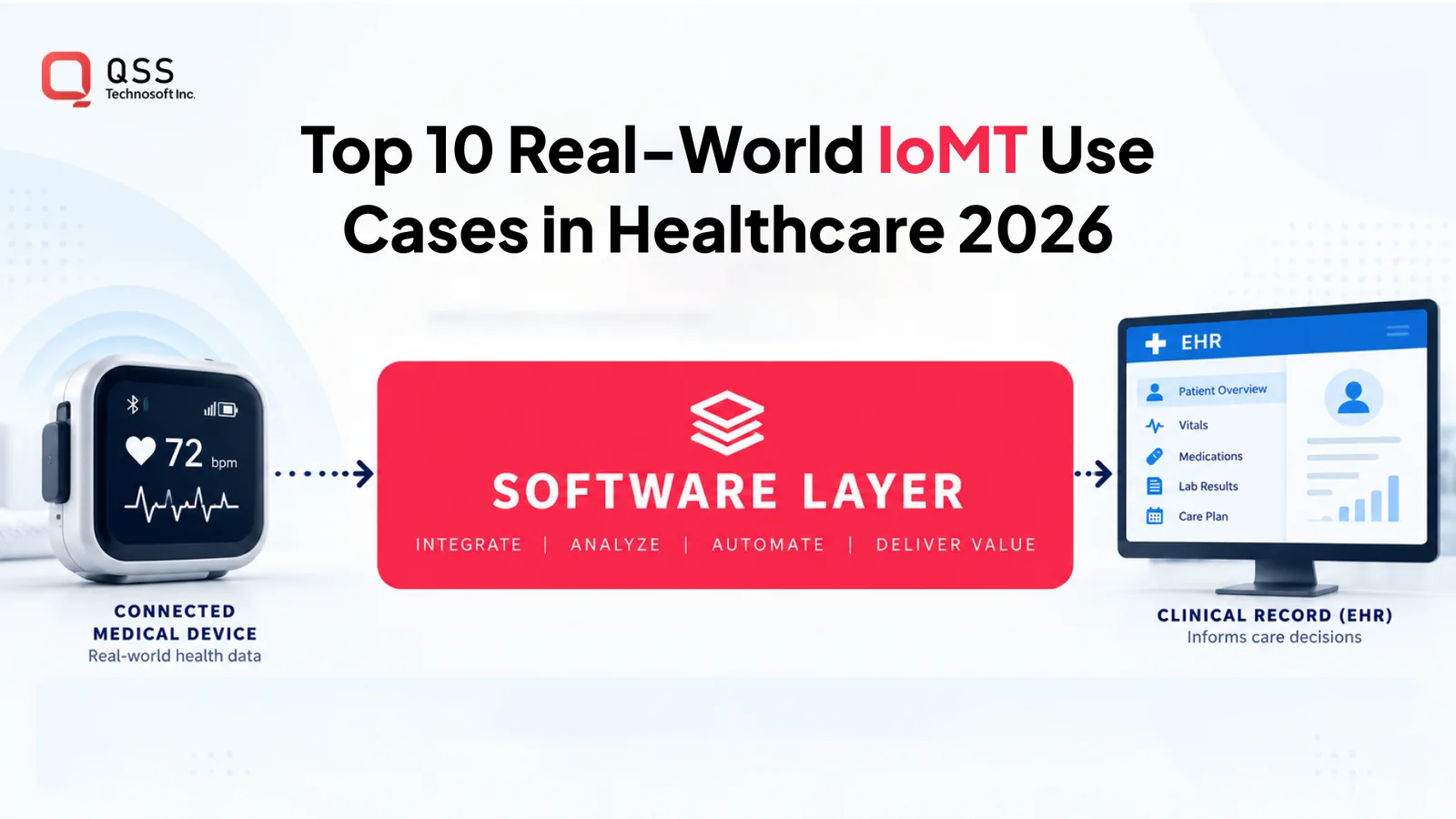
AI is only as good as the data it consumes. It’s the “garbage in, garbage out” rule in its most literal form. If your healthcare ai solutions are fed fragmented, siloed, or dirty data from a legacy EMR, the output will be clinical noise at best and a liability at worst. Interoperability isn’t a side project. It is the prerequisite for any functional intelligence. Without a stable backbone of HL7, FHIR, and DICOM standards, your model is just an expensive island. It won’t scale. It won’t deliver value.
Real-world engineering focuses on the “messy middle” of data portability. This means building secure Health Information Exchanges (HIE) that actually work across different providers. It also requires normalizing unstructured EHR data. We don’t just pull data; we clean it, structure it, and make it digestible for machine learning models. To ensure these systems remain stable, organizations must adopt cyber governance frameworks for secure AI. This ensures that as data moves, it stays compliant and protected. It builds the trust necessary for clinical adoption.
Engineering for the FHIR Standard
By 2026, FHIR R4 remains the regulatory baseline, but forward-thinking teams are already engineering for FHIR R5 and R6. These are the gold standards for modern healthcare APIs. We build HL7 interfaces that don’t break during routine system updates. This requires a deep understanding of tools like Mirth Connect to manage complex data pipelines. If you’re struggling to bridge the gap between legacy code and modern standards, a partner focused on healthcare interoperability can help stabilize your infrastructure before you layer on AI.
DICOM and PACS: AI in the Imaging Workflow
Radiology is where AI often sees its first win. But a model that lives outside the workflow is a model that gets ignored. We integrate AI algorithms directly into existing DICOM viewers and PACS environments. This isn’t just about the algorithm. It’s about ensuring low-latency data exchange for real-time surgical support. Handling large-scale medical imaging data in cloud environments requires robust DevOps. You need speed. You need durability. You need a system that doesn’t buckle under the weight of a massive scan when a surgeon is waiting for an answer.
Generative vs. Predictive AI: Choosing the Right Tool for Outcomes
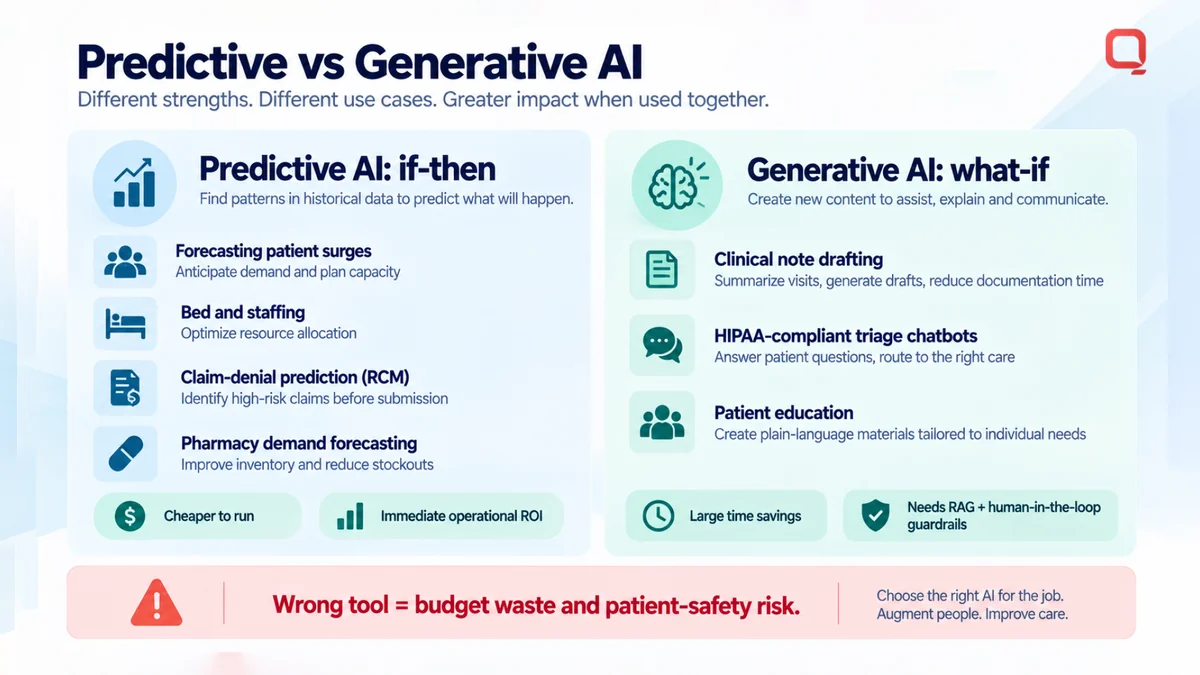
Stop treating AI as a monolith. It’s a toolbox. If you use a hammer to fix a leak, you’ll just break the pipe. In 2026, the most successful healthcare ai solutions are those that match specific mathematical models to specific clinical pain points. Predictive AI excels at “if-then” scenarios. It looks at historical patterns to forecast the future. Generative AI excels at “what-if” creation. It synthesizes new content from existing knowledge. Choosing the wrong one isn’t just a waste of budget. It’s a risk to patient safety.
Flashy demos don’t pay the bills. You need to focus on cost vs. impact. Predictive models are often cheaper to run and provide immediate ROI in operations. Generative models offer massive time savings but require expensive guardrails to prevent “hallucinations.” If your AI claims a patient has a condition they don’t, your liability skyrockets. We solve this through Retrieval-Augmented Generation (RAG) and strict human-in-the-loop protocols. Engineering resilience means assuming the model will fail and building the safety net anyway.
Predictive Use Cases: RCM and Patient Surges
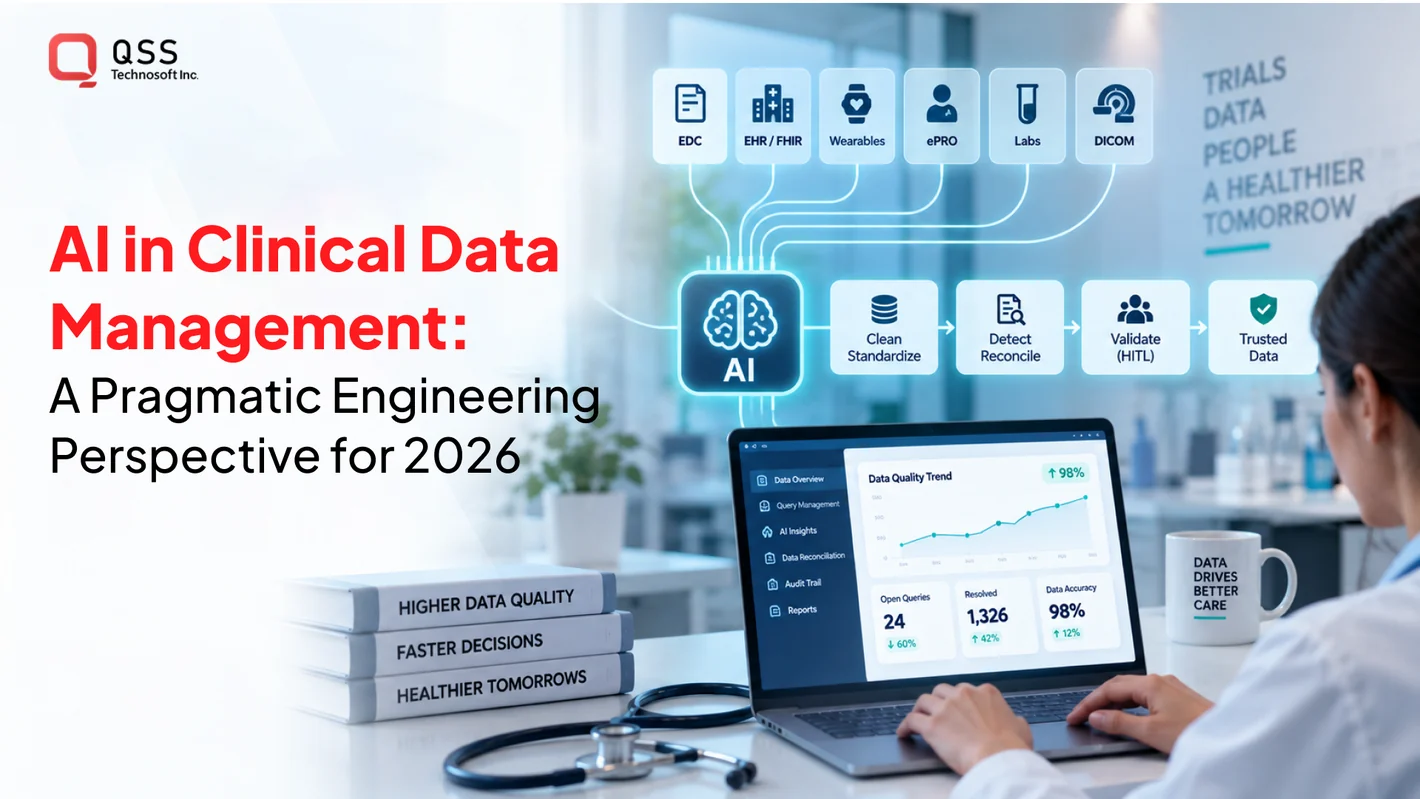
Predictive AI is your operational workhorse. It’s the best tool for optimizing Revenue Cycle Management (RCM) by analyzing claim denials before they happen. It also handles the unglamorous logistics of hospital life. It can forecast patient surges to manage staffing and bed availability. In pharmacy management, it uses demand forecasting to ensure you aren’t overstocked on expensive biologics while running dry on essentials. It’s about precision, not prose. It’s about making sure the right resources are in the right room at the right time.
Generative Use Cases: Chatbots and Documentation
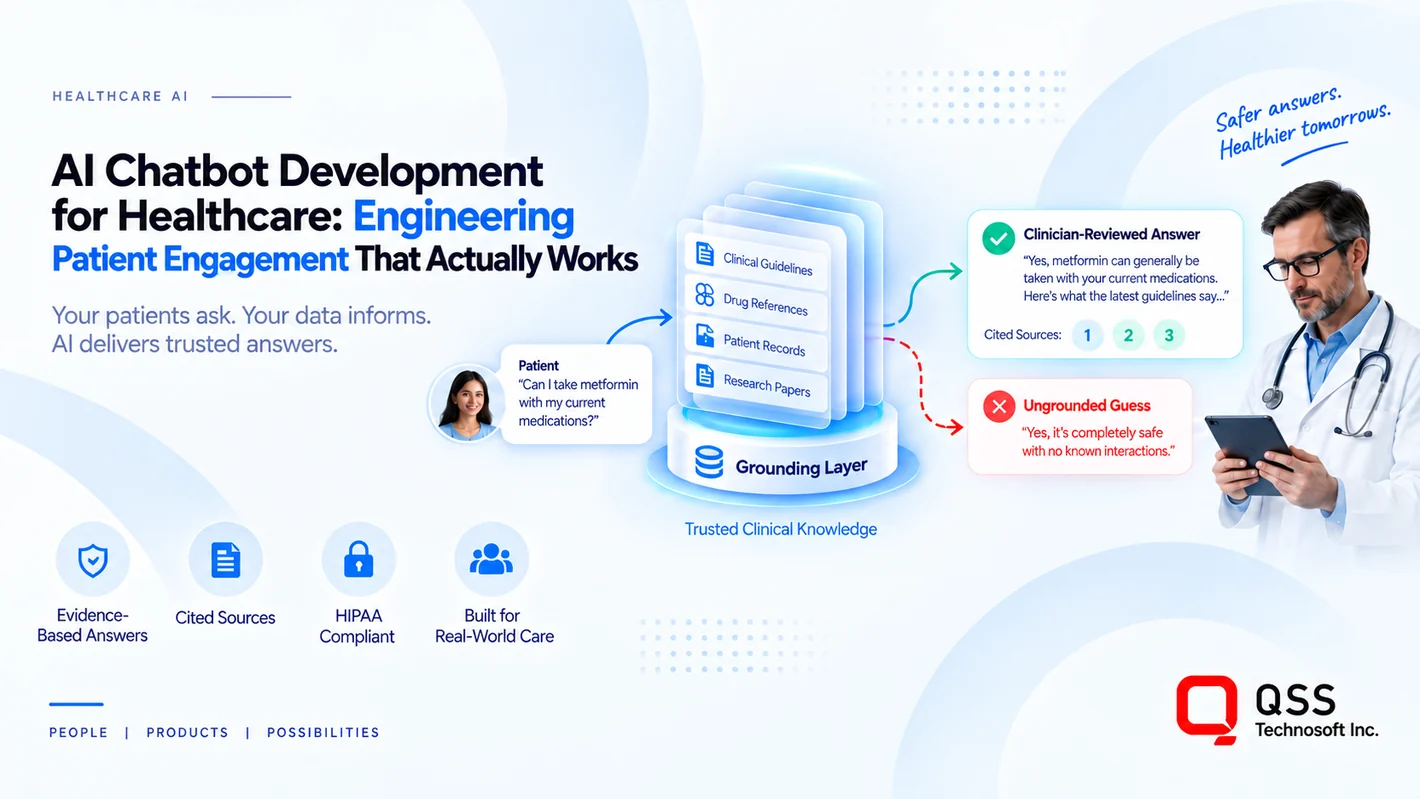
Generative AI is changing how we communicate. HIPAA-compliant chatbots can now handle patient triage and engagement, though they must follow strict state laws. For instance, Maine’s HB 2082 limits AI in mental health to administrative tasks, explicitly barring it from making therapeutic decisions. The biggest win is in documentation. Deployments of AI for transcription have reduced physician documentation time by 40-45%. This isn’t just a convenience. It’s a survival strategy for clinicians. You can also use it to personalize patient education materials, turning dense clinical data into something a human can actually understand and follow.
The AI Readiness Framework: Evaluating Governance and Security
Skipping the readiness phase is the fastest way to blow a seven-figure budget. Most healthcare ai solutions fail not because the math is wrong, but because the foundation is rotten. You can’t layer intelligence over chaos. You need a framework that treats software like a building. It must be durable, secure, and built to code. Before you write a single line of code, get an AI Readiness Assessment to identify the friction points in your legacy stack.
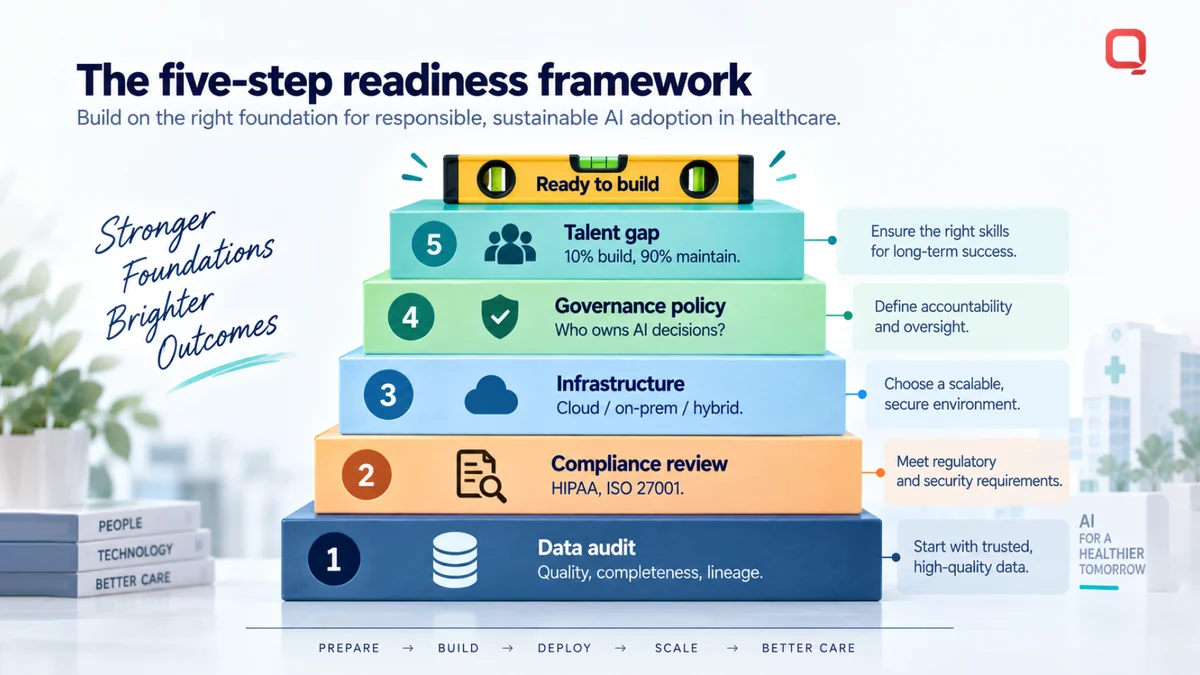
The transition from a pilot to production requires a cold, hard look at five specific areas:
- Step 1: Data Audit. Is your data structured, accessible, and clean? If your critical patient history is trapped in flat PDFs or non-standardized notes, your AI is effectively blind.
- Step 2: Compliance Review. Map every AI workflow to HIPAA and ISO 27001 standards. Compliance isn’t a checkbox; it’s a design constraint.
- Step 3: Infrastructure Assessment. Determine if a cloud, on-prem, or hybrid architecture fits your latency and security needs. In 2026, hybrid models often provide the best balance of control and scale.
- Step 4: Governance Policy. Define who is responsible for AI decisions. When a model drifts or provides a “hallucination,” the chain of accountability must be clear.
- Step 5: Talent Gap Analysis. Do you have the engineers to maintain the system? Building is 10% of the journey. Maintaining, monitoring, and updating is the other 90%.
Securing the AI Pipeline
Security in 2026 is about more than just firewalls. It’s about end-to-end encryption for AI data both in transit and at rest. You must implement robust Role-Based Access Control (RBAC) within your AI-driven hospital management systems. Only authorized personnel should interact with model weights or training sets. Audit trails are the “black box” of healthcare AI. Every clinical suggestion generated by a machine must be logged, timestamped, and traceable to ensure clinical safety and legal protection.
Addressing the HIPAA Compliance Gap
Working with AI model providers requires a bulletproof Business Associate Agreement (BAA). Don’t assume a standard SaaS contract covers you. You also need sophisticated de-identification strategies when training custom models on clinical data to prevent the accidental exposure of PHI. Transparency is no longer optional. California’s AB 489 and other 2026 mandates now require explicit disclosure when AI systems interact with patients or imply medical authority. You must inform patients when AI is involved in their care or insurance coverage decisions. This builds trust. It also mitigates risk.
Engineering Resilience: Why Custom Development Beats Off-the-Shelf
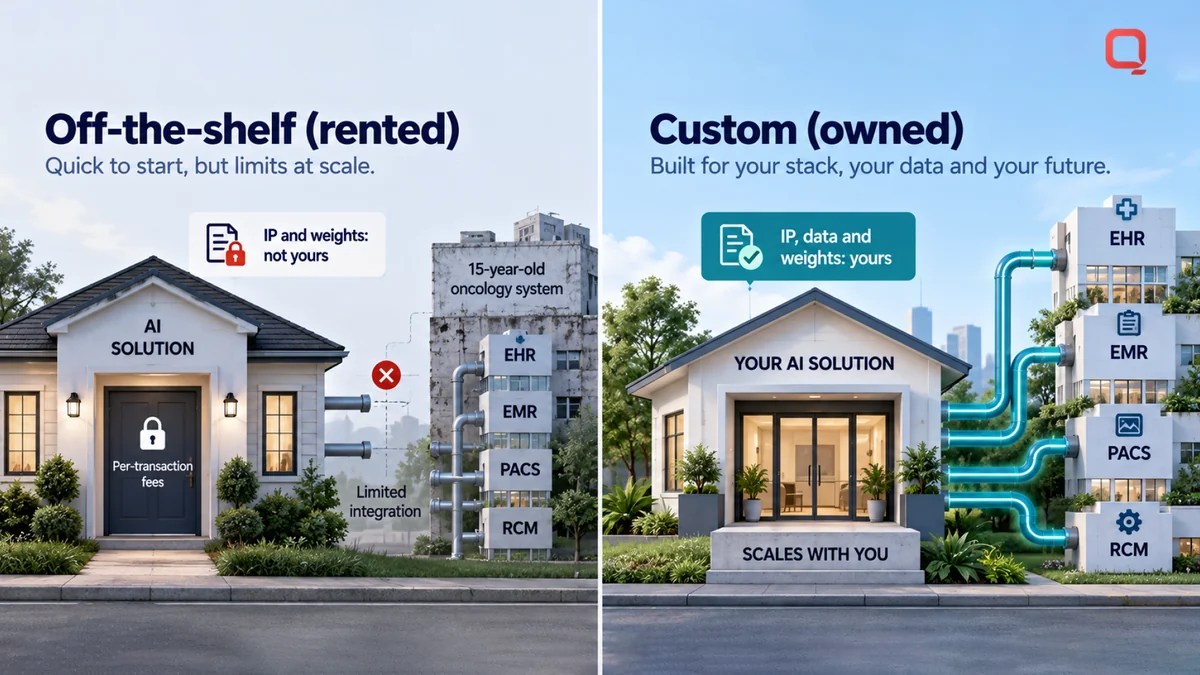
Buying a “black box” AI platform is tempting. It’s the SaaS trap. You sign a contract. You get a login. Then you realize the tool can’t talk to your 15-year-old oncology system. Generic healthcare ai solutions are built for the average hospital. Your hospital isn’t average. It has technical debt. It has custom workflows. It has legacy code that hasn’t been touched in a decade. Custom engineering fixes this. It allows for deep, surgical integration with existing EHR and EMR systems. It turns a “tool” into a permanent part of your clinical infrastructure. It works even when connections are slow or users are impatient.
Ownership matters. When you rent a generic model, you’re building value for someone else’s company. You don’t own the intellectual property. You don’t own the fine-tuned weights. You’re just a tenant. Custom development ensures you own the IP and the data. It also solves the scalability problem. Off-the-shelf tools often hide “per-transaction” fees that punish your success as you grow. A custom system scales with your organization. It’s an investment in durability. It’s about building software that feels physical, heavy, and permanent.
The QSS Approach: Pragmatic Engineering
We don’t do “airy” tech marketing. We do engineering. Our process is grounded in CMMI Level 3 standards. This means delivery is predictable. It’s methodical. It’s documented. We use an onshore-offshore model to keep costs efficient. But we don’t compromise on security. We focus on three core pillars:
- Predictable Delivery: CMMI Level 3 processes ensure we meet deadlines and budgets.
- Rigorous Security: ISO 27001-certified protocols protect every byte of patient data.
- Technical Depth: 250+ specialized engineers who understand HL7, FHIR, and DICOM standards.
We are the finishers. We get the difficult, unglamorous work over the finish line. Often, the first step isn’t the AI. It’s legacy system modernization. We clean the architecture. We fix the data pipelines. We prepare your foundation for the AI age. We don’t just build. We deliver and maintain.
Building for the Long Term
Software isn’t a “set and forget” asset. It’s alive. AI models drift. Data patterns change. Clinical standards evolve. This is why we prioritize DevOps and MLOps for all our healthcare ai solutions. These aren’t just buzzwords. They’re the systems that keep your models accurate over time. We implement continuous QA and monitoring. It’s unglamorous work. It’s also the only way to ensure clinical safety.
Don’t build a pilot that dies in six months. Build a system that lasts. It’s time to stop chasing hype and start delivering production-ready results. Assess your AI readiness with QSS Technosoft and stop renting your future.
The Path to Production: Engineering Your Healthcare AI Future
The 2026 landscape doesn’t reward hype. It rewards stability. Success with healthcare ai solutions depends on your ability to bridge the gap between fragmented legacy data and modern clinical workflows. We’ve seen the cost of failed pilots. We know the friction of technical debt. Focus on custom engineering. Prioritize interoperability. Enforce governance. This is how you move from “what if” to “what works.”
You don’t have to navigate this transition alone. With 14+ years of healthcare IT experience and 250+ specialized engineers, we know how to get unglamorous work over the finish line. Our ISO 27001 and CMMI Level 3 certifications ensure your architecture is built to the highest standards of security and process-driven reliability. Don’t build on sand. Build a system that lasts and delivers measurable value to your clinicians and patients.
Schedule a Pragmatic AI Readiness Assessment to audit your current stack and define a roadmap for scalable, production-ready intelligence. The future of healthcare is being built today. Let’s make sure yours is built to endure.
Start with an AI Readiness Assessment
A technical audit of your data quality, integration layer, infrastructure, governance and engineering capacity before a line of production code is written. You leave with the five-area readiness scorecard, the first use case where AI pays back (predictive or generative), and a map of the legacy technical debt that has to be cleared to reach production.
Schedule your AI Readiness Assessment →