Develop a Clone to NFT Gaming Platform like Polkacity
 By Ashutosh KumarNFT & Blockchain TeamDecember 16, 202510 min read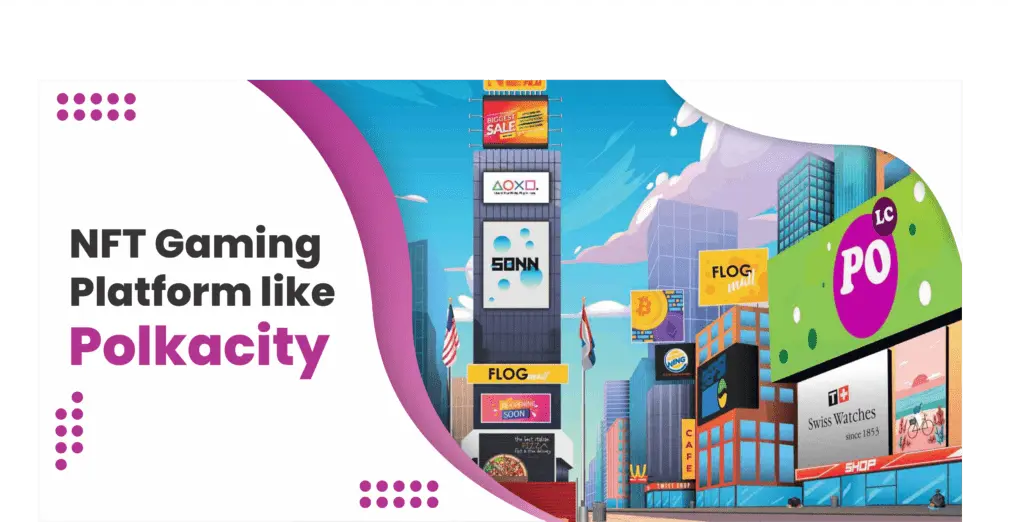
What This Blog Will Cover
In this blog, we will explore the comprehensive process of developing a clone to an NFT gaming platform like Polkacity. You will learn about the core concepts behind such platforms, including the integration of blockchain technology and the creation of player-driven economies. We will discuss the essential features required to build an engaging metaverse experience, such as NFT marketplaces, avatar customization, and play-to-earn models.
Additionally, we will delve into the technology stack needed for building such platforms, covering game engines, blockchain networks, and smart contract development. The blog will also highlight the importance of NFT marketplace integration, smart contract automation, and tokenomics that sustain the in-game economy.
Furthermore, we will cover the multiplayer and social features that foster community engagement and enhance gameplay. Finally, you will gain insights into the development process from concept to launch and understand why businesses choose Polkacity metaverse clone solutions to enter the growing blockchain gaming market.
By the end of this blog, you will have a clear understanding of what it takes to create a successful NFT gaming platform clone like Polkacity and how it can benefit both developers and players alike.
Introduction! of Polkacity Style NFT Metaverse Games
Polkacity represents a cutting-edge fusion of NFT gaming and metaverse experiences. It offers players a dynamic 3D virtual city where they can interact, trade, and own unique digital assets. This platform stands out due to its seamless integration of blockchain technology, enabling true ownership of in-game assets and fostering a player-driven digital economy.
Businesses are attracted to Polkacity-style NFT metaverse games because they combine immersive gameplay with lucrative play-to-earn models. These models allow users to earn real money while engaging with the virtual world. The game’s design emphasizes social interaction, virtual real estate ownership, and customizable avatars. This creates a vibrant community atmosphere.
This unique blend of gaming and digital asset management makes Polkacity clones highly desirable for companies looking to tap into the growing blockchain games market. The ability to tokenize virtual land and other assets ensures scarcity and value. This appeals to both gamers and investors alike. By adopting this style, businesses can leverage the latest technologies to offer engaging experiences that align with evolving player expectations in the gaming world.
Core Concept Behind Polkacity NFT Gaming Platform Development
At the heart of Polkacity’s NFT gaming platform is a meticulously crafted 3D virtual city. This city simulates a bustling digital world where players can explore, socialize, and participate in various activities. Players own unique digital assets secured by blockchain technology.
Virtual asset tokenization is a key feature. It transforms in-game items, avatars, and virtual land into non-fungible tokens (NFTs). Players can buy, sell, or trade these NFTs freely. This tokenization ensures true ownership and scarcity, enhancing the value of assets within the metaverse.
The platform’s core gameplay revolves around creating a social and economic ecosystem. Users interact in real-time, participate in quests, and engage in play-to-earn activities. The integration of augmented reality and virtual reality technologies further enriches the experience. This makes the virtual city feel alive and interactive.
By combining these elements, Polkacity delivers a unique blend of gaming, social networking, and digital economy. It sets a new standard for metaverse development services.
Key Features Required in a Polkacity Clone Development
Developing a Polkacity clone requires incorporating several essential features to replicate its engaging metaverse experience. An NFT marketplace is crucial. It allows users to list, buy, and trade virtual items such as avatars, skins, virtual land, and other in-game assets.
A robust avatar system enables players to customize their digital identities. This enhances personalization and social interaction within the platform. Asset tokenization ensures that all in-game items are represented as unique digital collectibles on the blockchain. This guarantees true ownership and facilitates secure in-game transactions.
Multiplayer functionality supports real-time interactions among players. This fosters a vibrant community and enables cooperative or competitive gameplay. The play-to-earn (P2E) model incentivizes users to participate actively by rewarding them with in-game tokens or NFTs that hold real-world value.
Social zones and event hosting capabilities encourage community engagement through virtual gatherings, competitions, and quests. Together, these features create a comprehensive ecosystem that balances entertainment, social networking, and economic opportunities. This makes the clone appealing to both gamers and investors.
Technology Stack for a Polkacity Like NFT Gaming Platform
Building a Polkacity-like NFT gaming platform demands a sophisticated technology stack. It combines game development tools with blockchain integration. Popular game engines such as Unity and Unreal Engine provide the foundation for creating immersive 3D virtual worlds. These offer high-quality graphics and smooth gameplay.
Blockchain networks like Ethereum, Binance Smart Chain, or Polygon manage NFT creation, ownership, and secure in-game transactions. Smart contracts automate processes such as asset ownership verification, royalties distribution, and reward mechanisms. This ensures transparency and security.
The backend infrastructure handles user data, matchmaking, and game logic. The frontend delivers an intuitive user interface across multiple platforms, including desktop and mobile games. Integration services facilitate seamless communication between the game client and blockchain. They support wallet connectivity for managing NFT assets.
Additionally, tools for quality assurance and security auditing are essential. They maintain platform stability and protect against vulnerabilities. This comprehensive technology stack enables the development team to deliver a scalable, secure, and engaging metaverse experience.
NFT Marketplace Integration for a Virtual City Metaverse
An NFT marketplace is a cornerstone of a Polkacity-style virtual city metaverse. It empowers users to trade unique digital assets securely and transparently. Integration of the marketplace involves supporting multiple functionalities. These include listing NFTs for sale, bidding in auctions, and facilitating secondary market transactions.
Cross-chain compatibility broadens the marketplace’s reach. It allows assets minted on different blockchain networks to be traded seamlessly. The marketplace supports various virtual items including avatars, virtual real estate, vehicles, and collectibles. All are represented as non-fungible tokens.
Secure wallet integration enables users to manage their NFT assets and conduct in-game transactions with ease. Automated smart contracts govern ownership transfers, royalties, and reward distributions. This ensures fairness and reduces the need for intermediaries.
By embedding the marketplace within the virtual city, players experience a fluid ecosystem. Earning, buying, and selling digital assets becomes an integral part of gameplay. This enhances user engagement and creates a thriving digital economy.
Smart Contract Integration for NFT Games
Smart contracts are vital for the functionality and security of NFT games like Polkacity. They automate ownership logic, ensuring each NFT asset is uniquely tied to a player’s wallet. This provides true ownership and prevents fraud.
Smart contracts also handle royalty payments. They automatically distribute a percentage of sales to original creators whenever NFTs are sold or traded. This incentivizes continuous content creation.
Reward automation is another key feature. Players receive tokens or NFTs as incentives for completing quests, participating in events, or staking assets. Rental mechanisms can be integrated to allow players to lease their NFTs temporarily. This generates passive income while maintaining asset control.
Security auditing of smart contracts is essential. It identifies and mitigates vulnerabilities, protecting the platform from hacks and exploits. By embedding these smart contract functionalities, the development team ensures a trustworthy, transparent, and efficient gaming environment. This supports the play-to-earn model and enhances player confidence.
Tokenomics for Metaverse Games like Polkacity
Effective tokenomics is crucial for sustaining the economy of metaverse games like Polkacity. Typically, a dual token model is employed. One token serves as the in-game currency used for transactions, upgrades, and purchases. The other acts as a governance or staking token that rewards players and incentivizes long-term engagement.
Staking mechanisms allow users to lock tokens to earn additional rewards or participate in decision-making processes. This fosters a community-driven ecosystem. Burn mechanics help regulate the token supply by removing tokens from circulation during certain transactions. This maintains scarcity and value.
Reward distribution is carefully balanced to encourage active participation without causing inflation. The tokenomics design also supports marketplace liquidity, enabling smooth buying and selling of NFT assets.
By integrating these elements, game designers create a stable and engaging digital economy. This aligns with business goals and ensures sustainable growth of the virtual world.
Multiplayer and Social Features for a Metaverse Clone
Multiplayer and social features are essential to replicate the immersive experience of Polkacity in a metaverse clone. Real-time interactions allow players to communicate, collaborate, and compete within the virtual city. This enhances community engagement.
Features such as chat systems, voice communication, and customizable avatars foster personal connections and social presence. Community events, including festivals, competitions, and quests, encourage players to participate collectively. This creates a lively and dynamic environment.
Avatar-based experiences allow users to express individuality through personalized appearances and actions. Hosting virtual events and in-game gatherings helps build a sense of belonging and drives user retention.
These social mechanics enrich gameplay and support the play-to-earn model by incentivizing active participation. By integrating these multiplayer and social features, the development company can deliver a compelling digital world that attracts and retains a diverse player base.
Development Process to Build a Polkacity Like NFT Gaming Platform
The development process for a Polkacity-like NFT gaming platform follows a structured approach to ensure quality and timely delivery. It begins with requirement analysis. The development team collaborates with stakeholders to define business goals, target audience, and feature sets.
Next, 3D modeling and concept art creation bring the virtual city and assets to life. This provides visual direction. Smart contract development follows, focusing on NFT creation, ownership logic, and transaction automation.
Concurrently, the marketplace and frontend interfaces are built to enable seamless user interactions. Quality assurance teams rigorously test the platform for bugs, security vulnerabilities, and performance issues.
Deployment involves launching the game on suitable platforms with backend support for scalability. Post-launch, continuous updates, live operations, and community engagement help maintain momentum and address user feedback.
This comprehensive process ensures the delivery of a robust, secure, and engaging NFT gaming platform aligned with industry standards.
Why Businesses Choose Polkacity Metaverse Clone Solutions
Businesses opt for Polkacity metaverse clone solutions due to their ability to accelerate development while offering customizable, scalable, and future-ready features. These clones provide a cost-effective alternative to building from scratch, reducing time-to-market.
They leverage proven gameplay mechanics and technology stacks. Customizable modules allow companies to tailor the platform to their unique business goals, target audience, and branding requirements. Scalable architecture ensures the platform can handle growing user bases and evolving features without compromising performance.
The integration of play-to-earn monetization models attracts and retains players by offering real-world value through in-game activities. Additionally, these solutions are designed to incorporate the latest metaverse development services, including blockchain integration, NFT marketplaces, and social features. This ensures competitiveness in the rapidly evolving gaming industry.
By choosing a Polkacity clone, businesses gain a reliable foundation to enter the digital economy and capitalize on emerging trends in virtual worlds. Architecture, P2E monetization, and future-ready metaverse features are all included.