Healthcare IT Consulting: A 2026 Engineering-First Checklist for Health-Tech Leaders
 By Rashmi Kanti
QSS Technosoft
October 2, 2026
14 min read
By Rashmi Kanti
QSS Technosoft
October 2, 2026
14 min read
Most healthcare IT consulting engagements end exactly where they should begin: at the production code. You’ve sat through the 50-page slide decks promising digital transformation. You’ve watched those same projects stall when they hit the messy reality of unmapped HL7 interfaces or legacy technical debt. It’s a common story. Technical debt isn't just a line item; it's a wall that stops innovation cold.
We’re moving past the airy strategy. This guide provides an engineering-first checklist for 2026. We focus on the technical grit required for USCDI v3 compliance and the urgent CMS-0057-F mandates. You’ll learn how to master the engineering realities of interoperability, HIPAA-compliant GenAI implementation, and seamless EHR data exchange. We are looking at what it takes to build a scalable, interoperable IT ecosystem that finally delivers a measurable ROI on your technology investments. No fluff. Just the architecture that works in production.
Quick Answer
Engineering-first healthcare IT consulting in 2026 bridges clinical intent and production code instead of stopping at strategy slides. The checklist: audit your stack against five non-negotiable standards (HL7/FHIR integration across Epic, Cerner, and Allscripts; DICOM/PACS imaging; HIPAA and SOC 2 rigor; interoperability engines like Mirth Connect and Iguana; and SMART on FHIR apps), plan for USCDI v3 compliance and CMS-0057-F prior authorization timelines, and run an Engineering Readiness Assessment to clear technical debt before GenAI or RAG projects. Then choose a partner with senior-led, architect-driven teams and real health-tech engineering depth, so EHR interoperability and healthcare digital transformation deliver measurable outcomes in production.
Beyond Strategy: Defining High-Impact Healthcare IT Consulting in 2026
Consulting in this sector has changed. It's no longer about handing over a binder of recommendations and walking away. High-impact healthcare it consulting in 2026 acts as the bridge between clinical intent and engineering reality. You have a vision for patient care. We have the code to make it function. Strategy is a starting point. Execution is the finish line.
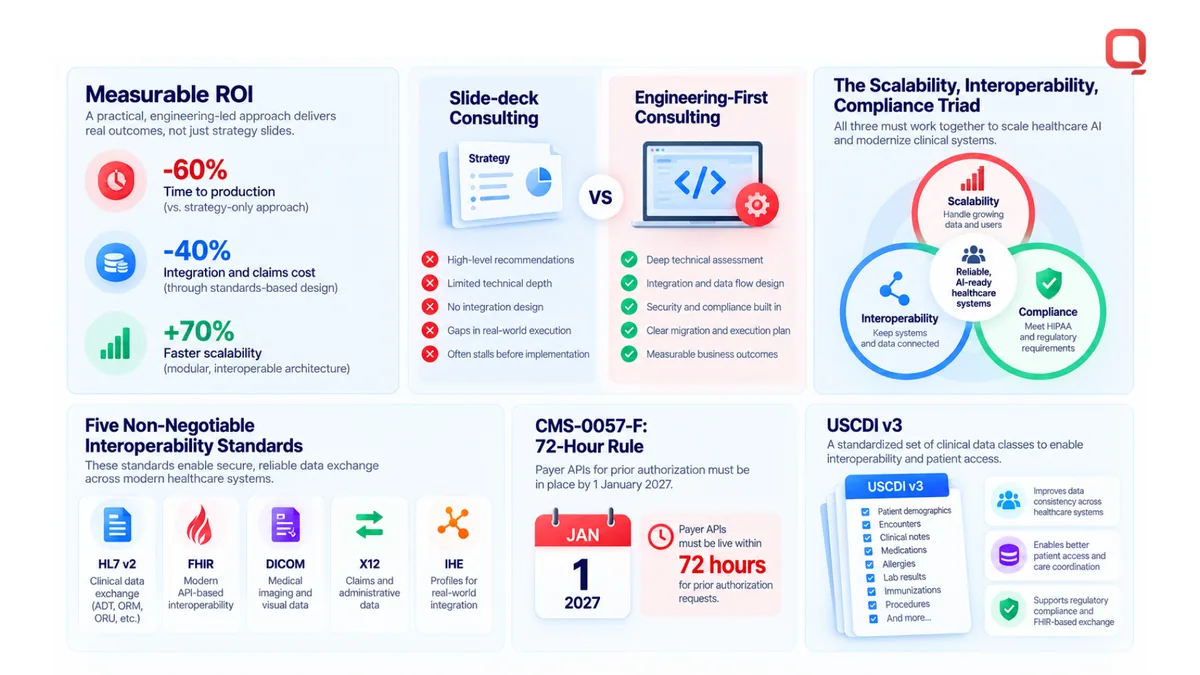
The industry is littered with "Slide-Deck Consulting." These are high-level roadmaps that ignore the friction of legacy systems and unmapped data fields. We prefer "Engineering-First Consulting." This means prioritizing production-ready code over theoretical frameworks. In the US healthcare market, the focus has shifted toward AI-first digital engineering. To succeed, you need a triad of core capabilities: Scalability, Interoperability, and Compliance. Without all three, your stack is just a collection of expensive silos.
The Evolution of Clinical IT Advisory
By 2026, the baseline has shifted. Simply implementing an EHR isn't enough. You need data-driven decision engines that actually talk to each other. This requires a deep understanding of health information technology systems and how they integrate with modern AI governance. Senior-led delivery models are vital here. They reduce the "friction of the unknown" by anticipating failure points before they hit production. It's about moving from basic hospital management to sophisticated, predictive ecosystems. We don't use junior staff for these builds. We use architects who have seen these systems fail and know how to keep them running.
Engineering Measurable Business Outcomes
Stop talking about features. Start talking about outcomes. Real healthcare it consulting delivers measurable ROI that CFOs can actually track. We focus on hard metrics. This includes driving up to 40% lower claims costs through better data accuracy and automated prior authorizations. It means reducing support loads by up to 60% through more stable, self-healing architecture. Our goal is to ensure your technology supports your clinical goals without becoming a maintenance nightmare.
Speed matters too. Our approach targets up to 50% faster delivery cycles. We achieve this through "Compliance-by-design." We don't bolt security on at the end. We build it into the first line of code. This is essential for US-based providers navigating the transition to USCDI v3 and mandatory algorithm transparency. You need systems that are durable, scalable, and audit-ready from day one. We build for the long haul. We engineer for stability. We deliver for the patient.
The Interoperability & Compliance Audit: Five Non-Negotiable Standards
Interoperability is the lifeblood of healthcare. Without it, data silos kill innovation before the first line of code is written. Modern healthcare it consulting demands a move away from theoretical connectivity toward five non-negotiable engineering standards. These are the technical foundations that separate a functional ecosystem from a collection of expensive, isolated tools.
- HL7/FHIR Integration: You need seamless data exchange across Epic, Cerner, and Allscripts. This isn't just about APIs; it's about semantic consistency.
- Medical Imaging Moat: Leverage DICOM/PACS expertise for AI-assisted reporting. Imaging data is heavy, complex, and requires specialized pipelines.
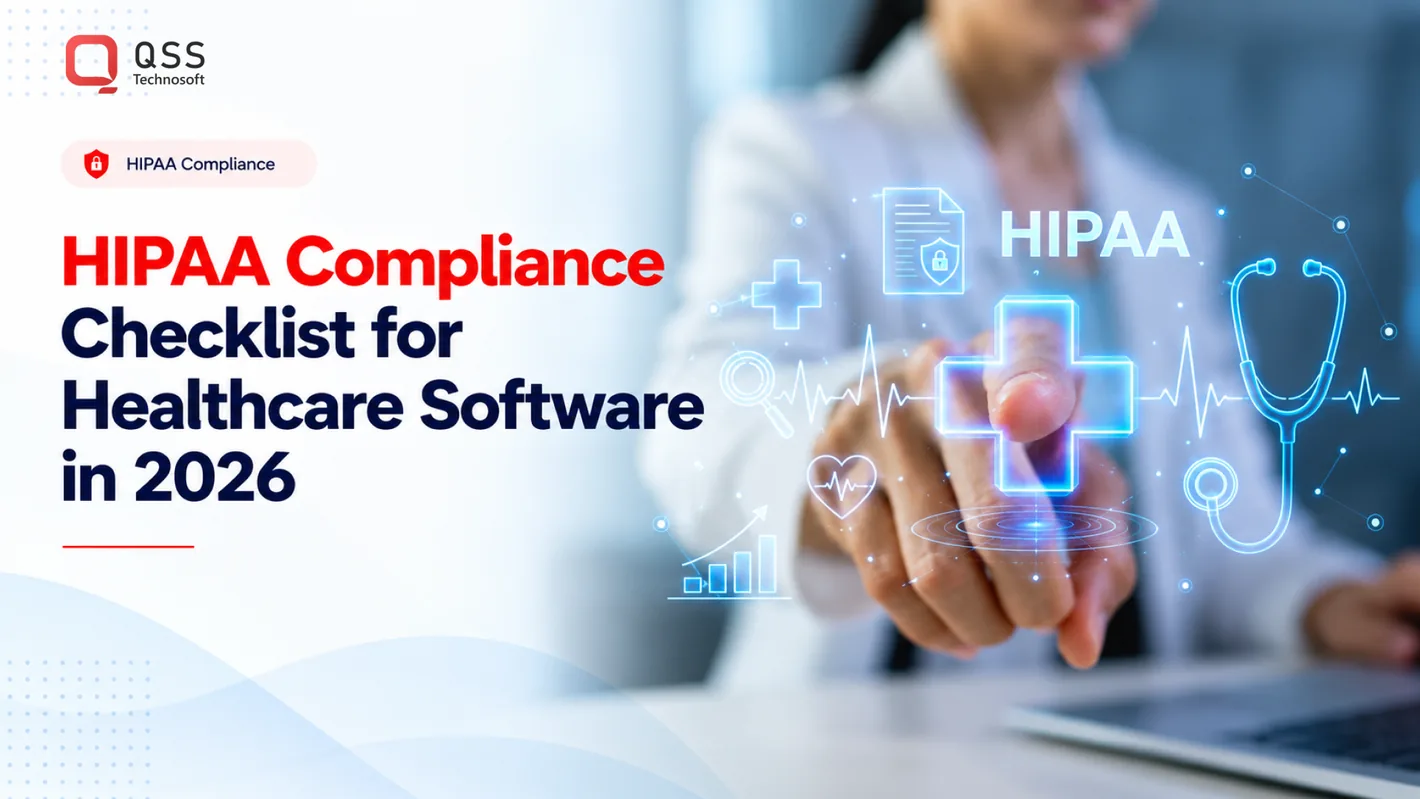
- HIPAA and SOC 2 Rigor: Security must be baked into the architecture. It's not an afterthought or a checkbox. It's a build requirement.
- Interoperability Engines: Utilize Mirth Connect and Iguana for robust data pipelines. These tools handle the unglamorous heavy lifting that competitors often ignore.
- SMART Standards: Build apps that live directly inside the clinician's workflow. If a tool requires a separate login, it won't be used.
Interoperability: HL7, FHIR, and the SMART Standard
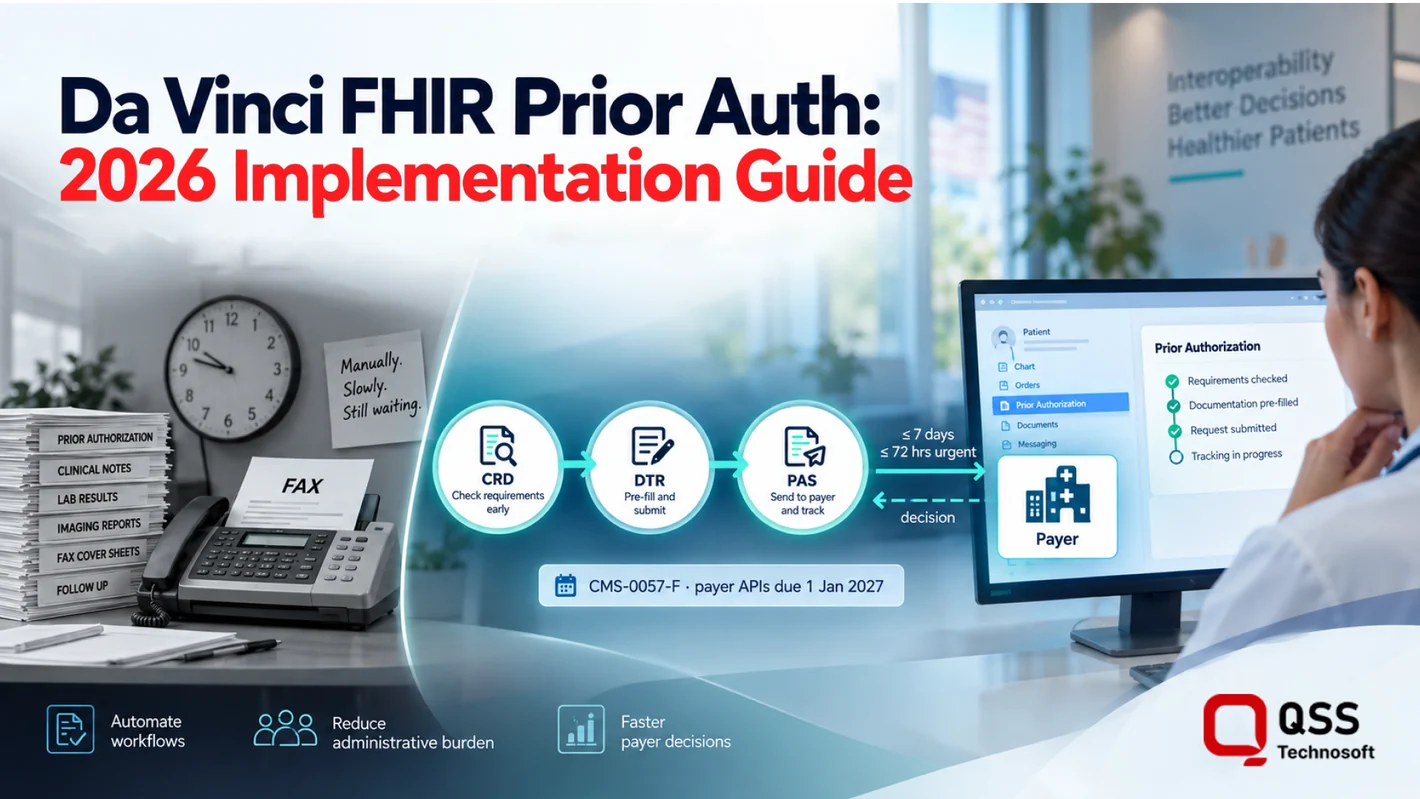
HL7 v2 remains the industry backbone. It is the unglamorous plumbing that keeps hospitals running. However, 2026 mandates a shift. The CMS-0057-F rule now requires 72-hour turnarounds for urgent prior authorizations. This puts immense pressure on your FHIR R4 pipelines. Your healthcare it consulting partner must navigate the move to USCDI Version 3, which is now the mandatory baseline for certified health IT. SMART on FHIR is the primary solution for clinician burnout. It embeds apps directly within the EHR. This keeps users in a single interface and reduces friction. Don't let poor data mapping in your HIE services stall your broader AI goals. Clean data at the source is the only way to achieve measurable ROI.
Medical Imaging and DICOM/PACS Realities
Medical imaging is a technical moat. It isn't just about storage; it is about high-velocity access to clinical data. Integrating PACS, OHIF, and DCM4CHEE requires specialized engineering. You are dealing with massive files, slow connections, and impatient users. The DICOM AI Suite serves as a specialized tool for automated imaging workflows. Security in these environments isn't a suggestion. It is a core constraint. Follow the NIST SP 800-66 Rev. 2 cybersecurity framework to ensure your ePHI is hardened against modern threats. If your current systems are struggling with legacy code or neglected interfaces, you should audit your engineering readiness before adding more complexity to the stack.
Bridging the Strategy-Execution Gap: Why Engineering Readiness Trumps Slides
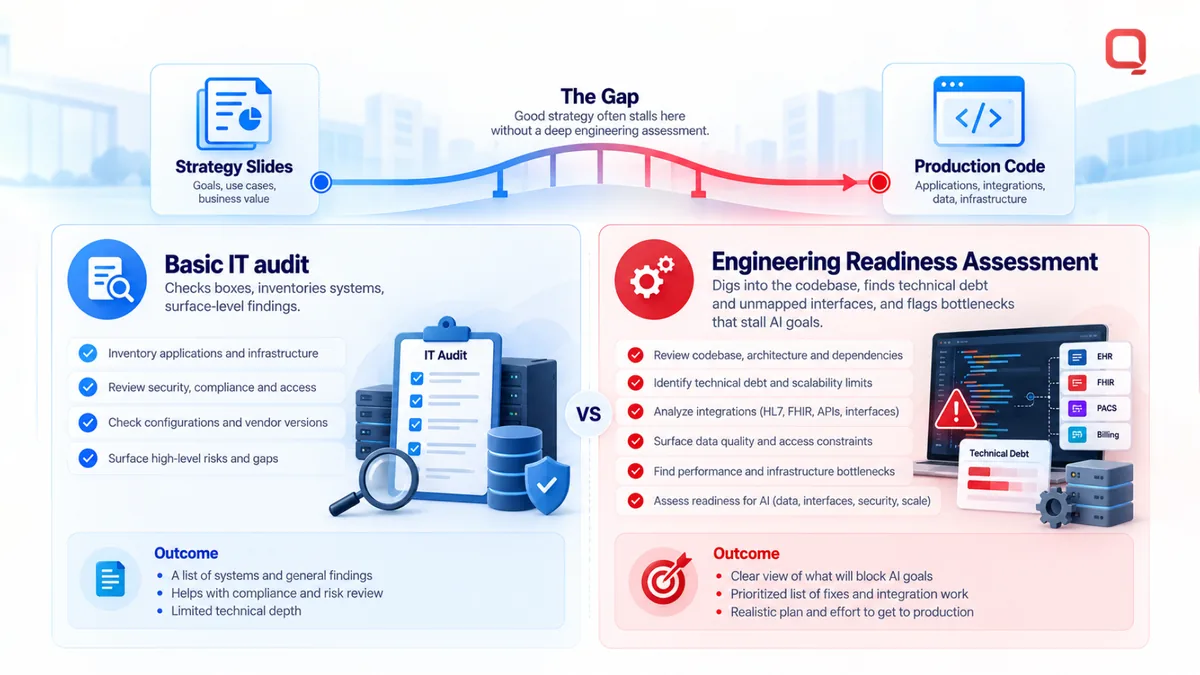
The strategy-execution gap is where most health-tech dreams go to die. It's the space between a beautiful presentation and a crashing production server. Usually, ignored technical debt is the primary culprit. While a basic IT audit checks boxes, an Engineering Readiness Assessment digs into the unglamorous reality of your codebase. It identifies the bottlenecks that will stall your AI goals before you even start. This is why specialized healthcare it consulting is non-negotiable. You need architects who can spot the rot in your legacy systems before it compromises your new builds.
Modernizing Legacy Healthcare Architecture
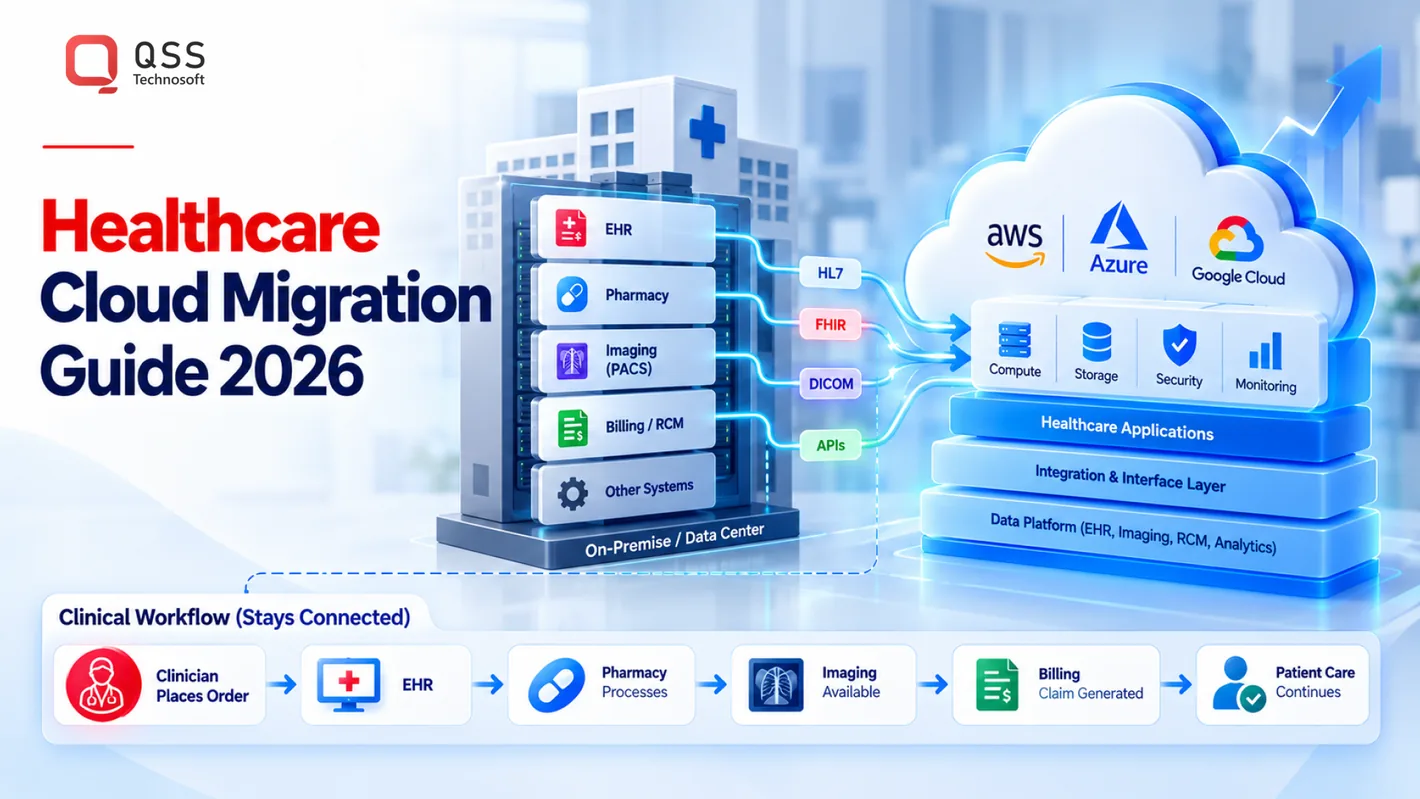
Legacy System Modernization isn't just about moving to the cloud. It's about re-architecting APIs to handle modern loads without clinical downtime. We move monolithic SQL servers to scalable RAG or Vector databases. This frees up the budget locked in maintenance. We take a battle-hardened approach to retiring debt in HIMS and RCM systems. We build, optimize, and scale. This ensures your infrastructure aligns with the latest CMS Interoperability and Patient Access regulations. It's hard work. It's unglamorous. But it's the only way to clear the path for innovation.
GenAI Readiness: More Than Just a Chatbot
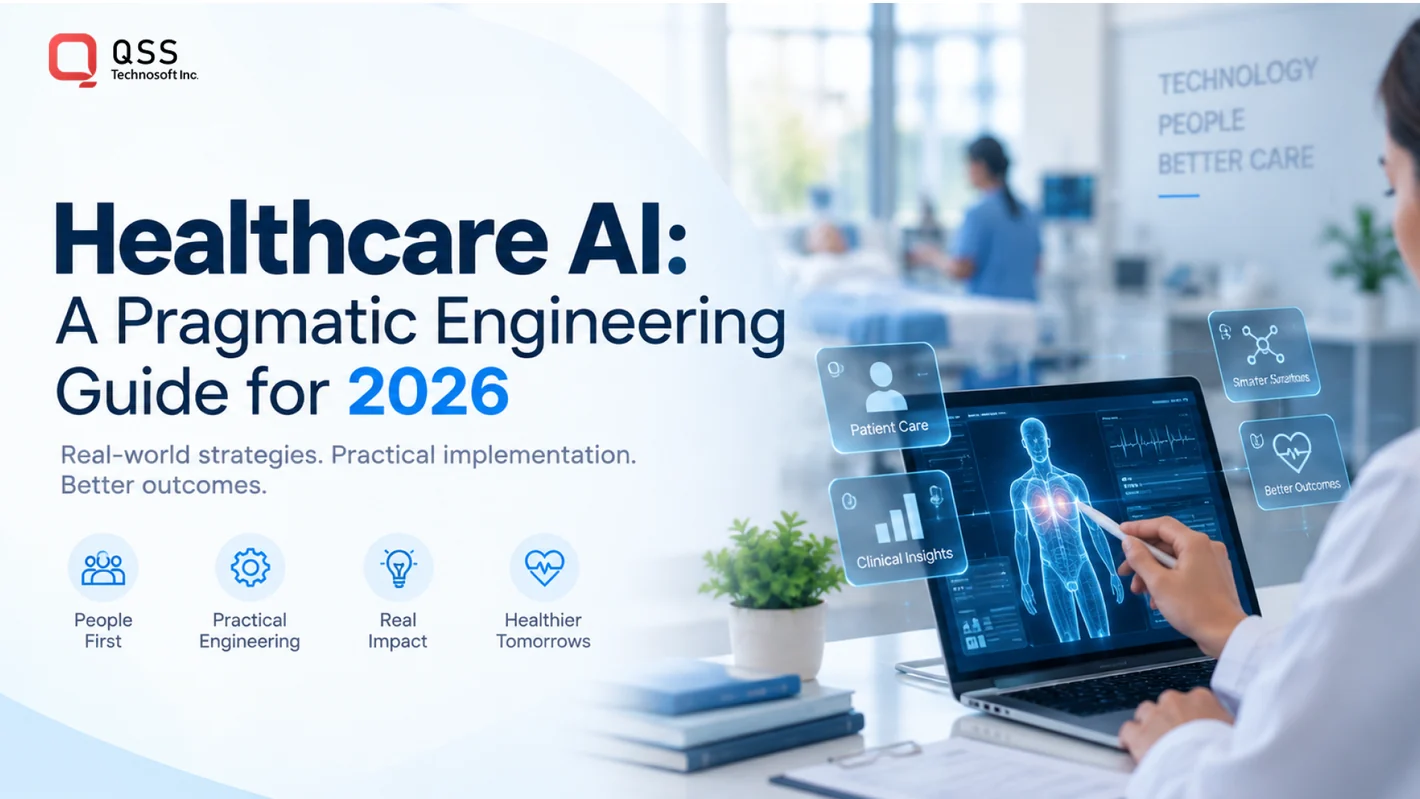
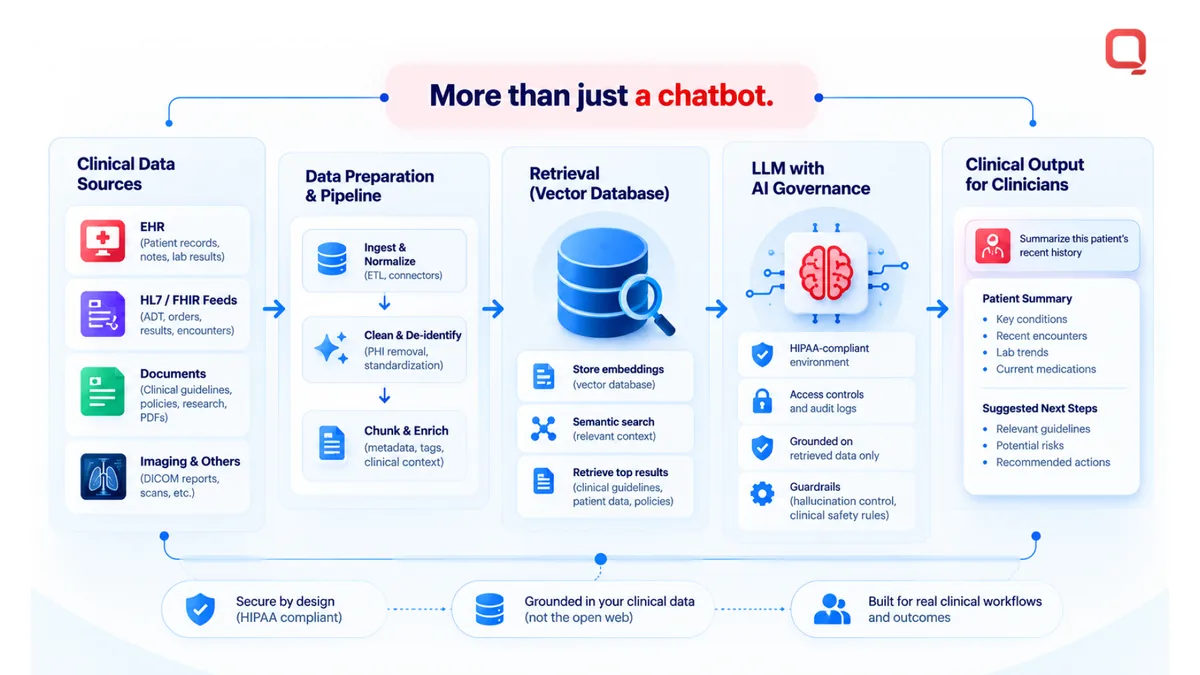
Everyone wants a chatbot. Few have the data foundation to support one. Generative AI requires more than a simple API call. You need Retrieval-Augmented Generation (RAG) that actually understands your clinical context. This requires a solid data pipeline. Our AI Strategy moves you from research lab experiments to production deployment. We focus on measurable impact. For example, intelligent clinical summarization can reduce documentation time by up to 70%. It's about building tools that clinicians actually use, not just gadgets that look good in a demo.
Custom software development beats off-the-shelf solutions because it respects your unique clinical workflows. It solves the friction of manual entry. It streamlines the patient journey. If your current stack feels like a collection of patches, it's time for a change. You can contact our team to begin a real assessment of your engineering readiness. Stop looking at slides. Start looking at your code.
Selecting a Partner: A MOFU Checklist for Health-Tech Leaders
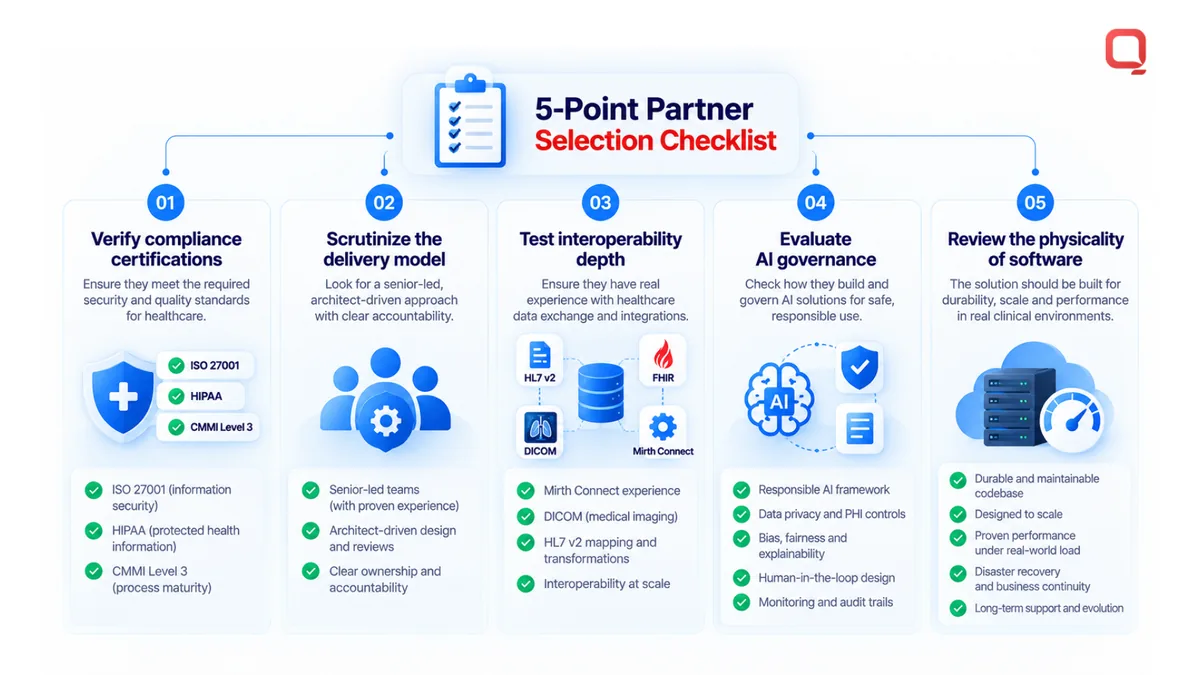
Choosing a healthcare it consulting partner is a high-stakes decision. Most firms offer "digital transformation" as a vague concept. They ignore the friction of legacy system modernization. You need a partner who understands the grit of production code, not just the polish of a pitch deck. Use this checklist to separate the architects from the talkers.
- Verify Compliance Certifications: ISO 27001, HIPAA, and CMMI Level 3 are the floor, not the ceiling. These aren't just badges. They are the framework for data survival.
- Scrutinize the Delivery Model: Demand senior-led, architect-driven teams. Avoid firms that rely on junior staff augmentation. Experience matters when your system hits peak load.
- Test Interoperability Depth: Don't settle for generalities. Ask about specific Mirth Connect or DICOM experience. If they can't explain their approach to HL7 v2 mapping, walk away.
- Evaluate AI Governance: Ensure they have a pragmatic roadmap for Generative AI Solutions. It must be grounded in clinical reality, not just research lab hype.
- Review the Physicality of Software: Look for durability, scale, and performance impact metrics. Does the code hold up under stress? Demand proof of 400+ delivered projects over 15+ years.
Vetting Technical Expertise
A 48-hour "vetted developer" promise is essential for rapid scaling. You shouldn't wait weeks to ramp up a project. There is a massive difference between a general "developer" and a true "healthcare software engineer." An engineer understands clinical workflows and regulatory constraints. They know that a bug in healthcare isn't just a ticket; it's a patient safety risk. Look for an outcome-driven engagement model. Pay for results, not just hours. This aligns the firm’s incentives with your business goals and ensures the unglamorous work gets over the finish line.
The US-Offshore Delivery Advantage
Balancing US-based entity security with cost-efficient global delivery centers is the modern standard. You get the legal protection of a US partner with the high-velocity output of a 250+ engineer team. This model ensures HIPAA compliance across geographic boundaries through SOC 2-ready controls. It provides the scale you need without the overhead that kills your ROI. Ready to ground your strategy? Contact our senior architects for an AI Readiness Assessment. We focus on what works in production, not what looks good in a presentation.
Engineering Measurable Outcomes: The QSS Technosoft Methodology
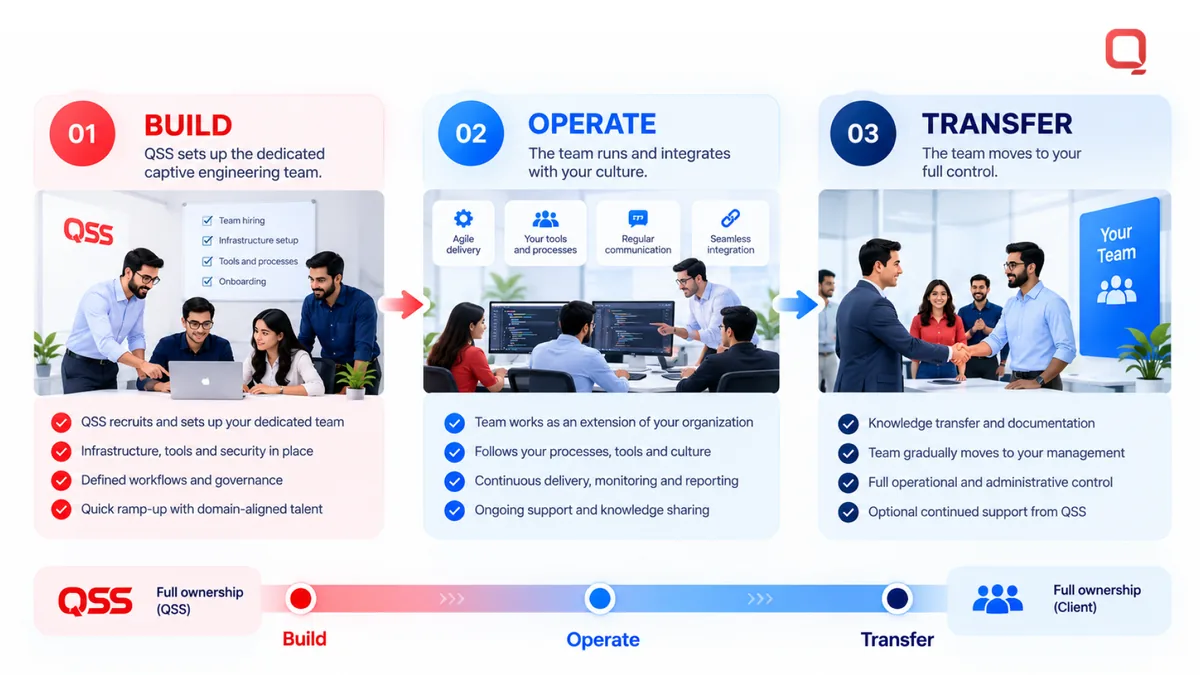
Real healthcare it consulting isn't about giving advice. It is about building durable systems that stay up when the load hits. We utilize the Build-Operate-Transfer (BOT) model for captive engineering centers. This approach provides a dedicated team that integrates with your culture before transitioning to your full control. It ensures long-term stability and deep domain knowledge. We Build, not just AI-Enabled Digital Solutions. We Engineer, Measurable Business Outcomes! This is the core of our methodology.
Our team brings 15+ years of experience and over 400 delivered projects to the table. Eighty percent of our work serves the US healthcare market. We don't start from zero every time. We use proprietary tools like the DICOM AI Suite and our Healthcare AI Copilot to accelerate delivery. These accelerators help reduce documentation time by up to 70%. We focus on high-velocity delivery without sacrificing system integrity. This is why leading providers trust us to handle the most complex parts of their clinical stack.
A Full-Stack Healthcare IT Partner
Our expertise spans the entire clinical ecosystem. We handle the unglamorous heavy lifting across several domains:
- Revenue Cycle Management: Streamlining RCM and Pharmacy Management Systems.
- Telehealth and RPM: Custom software that scales to millions of users.
- Compliance: Integrating Remote Patient Monitoring and ADA Compliance at every digital touchpoint.
It is not just about the user interface. It is about the data pipeline behind it. We build for durability. We build for scale. We build for the patient. Every line of code is designed to support clinical intent while maintaining strict regulatory boundaries. We focus on the physicality of the software to ensure it survives in high-pressure environments.
The Finisher Persona: Getting Modernization Over the Line
We are the finishers. We take on the unglamorous but essential legacy work that other firms avoid. If you have a modernization project that has stalled due to technical debt, our healthcare it consulting teams get it over the line. Our process includes ISTQB-certified QA. This is critical in high-stakes medical software where errors have real-world consequences. We don't ignore the difficult parts like neglected legacy code, slow connections, or impatient users. We make them the core of our value proposition. We pride ourselves on getting difficult work finished. Stop talking strategy and start engineering. Schedule your consultation with QSS Technosoft today. Let's build something that works in production.
Engineering Your Path to Clinical Innovation
The landscape of 2026 demands more than just advisory slides. You need a partner that understands the physicality of software and the friction of legacy system modernization. Success requires a commitment to production-ready code and a deep understanding of interoperability standards like USCDI v3. By focusing on engineering readiness rather than just high-level strategy, you clear the technical debt that stalls innovation. Specialized healthcare it consulting is the bridge between clinical intent and measurable business outcomes.
At QSS Technosoft, we bring CMMI Level 3 and ISO 27001 certifications to every engagement. Our team has delivered over 400 projects across 30+ industries. We offer specialized DICOM/PACS imaging expertise that generalist firms often lack. We don't just advise. We finish the unglamorous work that keeps your systems running. Ground your healthcare IT strategy in engineering reality-Contact QSS Technosoft. Your complex modernization challenges have solutions. Let's build a durable, scalable ecosystem that finally delivers the ROI your organization deserves.
Engineering Measurable Outcomes: Start Your Engineering Readiness Assessment
Bring your interfaces, legacy systems, and AI ambitions to a working session with our senior architects. We’ll look at your HL7 v2 and FHIR integration, EHR interoperability gaps, USCDI v3 compliance and CMS-0057-F readiness, and the technical debt standing between your roadmap and production. Health-tech engineering for healthcare digital transformation, grounded in code, not slides.
Schedule your Engineering Readiness Assessment →