Revenue Cycle Management Software Development for Providers
QSS Technosoft builds, extends and integrates healthcare revenue cycle management software for hospitals, physician groups, billing companies and healthtech products: eligibility and prior authorization, charge capture and coding support, claims and remittance over X12, denial analytics, patient payments, and the clearinghouse, payer and EHR integrations that make them one cycle.
16+ yearsIn healthcareUS-headquartered in Bloomington, MN
Trusted Partners
Trusted by providers, billing companies and healthtech companies
Revenue leaks at the joins between the clinical system, the clearinghouse and the payer, which is why our RCM work starts at the integration layer. We build for providers who bill in-house and for companies that deliver medical billing services to others, on the same HL7, FHIR and X12 backbone that runs our EHR and interoperability practices.
Powering Better Care Together
200+Clients since 2010
20+EHR and EMR integrations delivered
95%Client repeat-business rate
4.9/5Client rating on Clutch
CHALLENGES BILLING TEAMS FACE
What you’re up against, and what changes when you work with us
RCM projects rarely fail on the billing rules. They fail on the interface between the record and the claim, the denial that was preventable, the authorization that took nine days, and the statement the patient didn’t understand. Here is where we see providers get stuck, and how our healthcare revenue cycle management software is built to get them unstuck.
Problem
Denials are worked after the fact, not prevented
How we solve it
Pre-submission scrubbing against payer rules, denial-risk scoring on every claim, and a workqueue that routes exceptions to the right person before the claim leaves.
A lower first-pass denial rate.
Problem
Prior authorization takes days and a fax machine
How we solve it
Automated prior authorization over the payer FHIR APIs required by the CMS prior-authorization rule (CMS-0057-F), with X12 278 and portal fallbacks, status tracking and clinical-document attachment.
Authorizations in hours, not days.
Problem
Charges leak between the visit and the claim
How we solve it
Charge capture at the point of service from the EHR (HL7 DFT/FHIR), reconciliation of rendered vs billed, and coding support with ICD-10, CPT and HCPCS validation.
Every rendered service billed.
Problem
Patients don’t know what they owe until the statement arrives
How we solve it
Real-time eligibility and benefits (X12 270/271), good-faith estimates under the No Surprises Act, upfront collection and payment plans in the patient app.
Your EHR, billing engine and clearinghouse don’t agree
How we solve it
Integration over HL7, FHIR and X12 with Epic, athenahealth, Veradigm, Tebra, OpenEMR and others, and with Waystar, Availity or Optum, so the same claim status shows everywhere.
One truth from visit to remittance.
Problem
Finance sees AR days monthly, not daily
How we solve it
Dashboards on AR aging, denial rates by payer and reason, collection ratios and payer performance, refreshed from live data.
A revenue cycle you can steer, not just report.
Facing similar challenges?Tell us where your cycle is losing cash, and we’ll show you which stage to fix first.Talk to Our US Team →
OUR SERVICES
Revenue Cycle Management Software Development: What We Build and Integrate
Six kinds of RCM software, one team. We build what the packaged platforms don’t do well, extend the platform you keep, and integrate the clearinghouse, payer and clinical systems around it.
SERVICE OVERVIEW
Custom revenue cycle management software
End-to-end healthcare revenue cycle management software for organizations whose model doesn’t fit a package: multi-specialty groups, companies that run billing and coding services for many clients, and healthtech products that need billing built in.
Patient accessRegistration, eligibility (270/271), estimates and upfront collection.
Coding and scrubbingCharge capture, coding support (ICD-10, CPT, HCPCS, modifiers) and claim scrubbing.
Claims and remittanceClaims (837P/837I), status (276/277), remittance (835) and payment posting.
Multi-clientMulti-provider architecture for billing companies.
Turning revenue-cycle data into decisions, and replacing the billing system that can no longer keep up.
Executive dashboardsAR days, clean-claim rate, denial rate, net collection rate and payer performance.
AIDenial prediction, coding assistance and prior-auth automation.
ModernizationLegacy billing-system replacement and data migration with parallel running.
Value-based reportingMIPS, ACO and value-based contracts.
5Executive KPIs3AI capabilities0Downtime during migration
Why Providers and Billing Companies Choose QSS for Revenue Cycle Management Software
Most vendors in this market sell a billing platform or medical billing services. We are the engineers who build the pieces those don’t do well and connect everything they touch: the EHR that has to send the charge, the clearinghouse that has to accept the claim, the payer API that has to return the authorization, and the patient app that has to explain the balance.
Interoperability is the practice
Dedicated HL7, FHIR, Mirth Connect and Iguana teams; 20+ EHR, EMR and HIS integrations; X12 EDI and clearinghouse connectivity by default.
We build to the FHIR Prior Authorization API that the CMS rule requires payers to expose by 1 January 2027, with X12 278 and portal fallbacks for the payers who are late.
HIPAA and HITECH for PHI, PCI DSS for patient payments, No Surprises Act and price-transparency rules, 42 CFR Part 2 where it applies; audit trails on every claim and payment.
Fixed-scope modules and integrations, dedicated RCM engineering teams, or build-operate-transfer for any outsourced medical billing company that wants to own its platform, under CMMI Level 3 and ISO 27001, with 4.9/5 on Clutch.
Scalable, multi-client RCM platforms for companies that deliver medical billing services, with client-level reporting, automation and analytics that grow with the client list.
What we’ve built on the billing side, and the healthcare work behind it
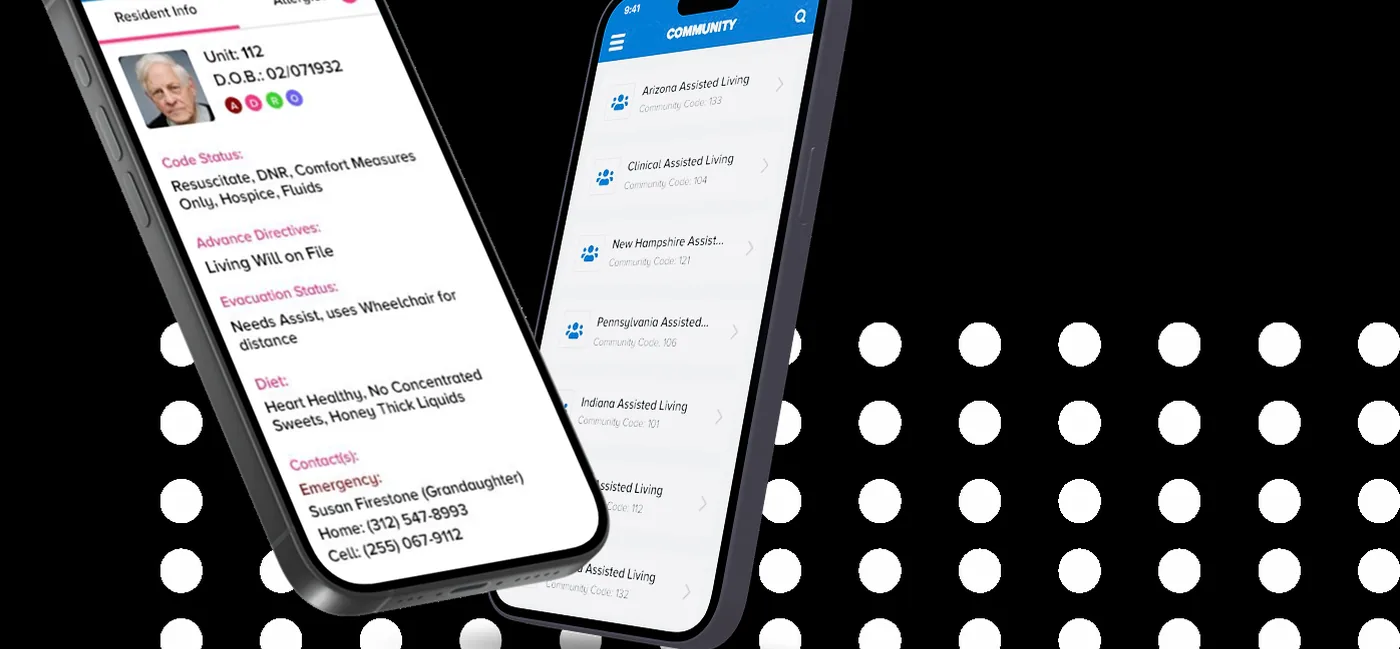
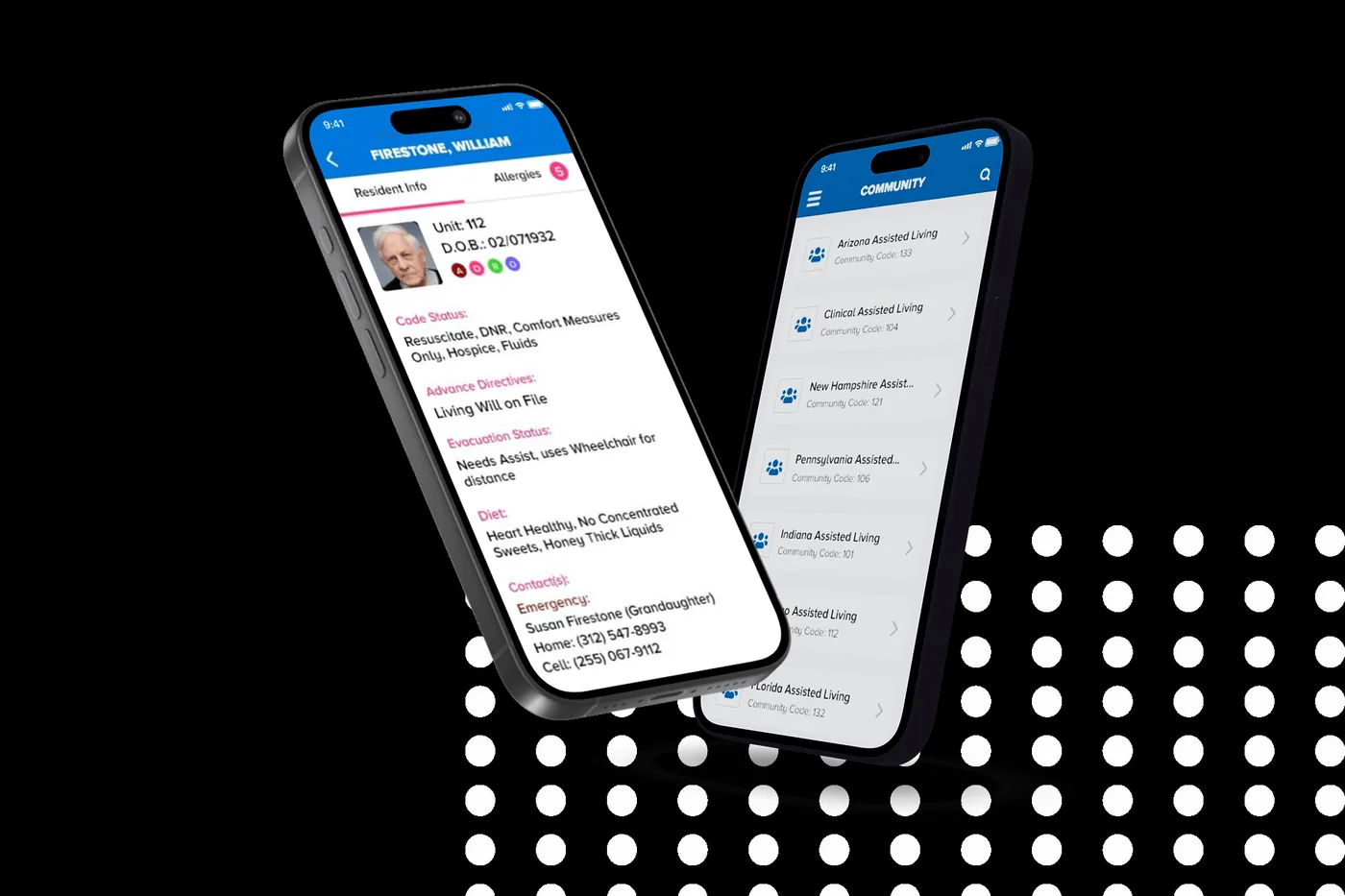
We build the EHR, eMAR, telehealth and pharmacy systems that generate charges, so charge capture, coding and documentation are designed where the revenue starts.
EMAR App
We used Mirth Connect to digitize medication administration workflows, capturing real-time clinical actions and prescriptions in line with healthcare standards, with safe storage of medical records and direct communication between prescribers and dispensers.
A mobile solution that lets senior living staff log caregiver services instantly through a tap-based interface, keeping an accurate digital history of medication and patient interactions.
A HIPAA-compliant cloud document management system for senior care communities, with upload, storage and retrieval of documents, digital signatures and no physical mailing.
AI in the revenue cycle, with billing staff in control
The revenue cycle is where healthcare AI pays back fastest. We add AI where it prevents a denial, shortens an authorization or catches a missed charge, and keep a person accountable for every claim that goes out.
Revenue Data
Claims, denials, notes, balances
AI Engine
Score, assemble, code, prioritize
Biller Review
Human oversight + audit trail
Action
Cleaner claims, faster cash
Denial predictionFix risky claims before they leave, not after
Prior-auth automationAuthorizations decided in a day, not nine
Coding assistanceICD-10, CPT and E/M codes proposed with evidence
Patient outreachThe right estimate, plan or call for each patient
Compliance and security, engineered in
An RCM system handles protected health information and money, and it sits under rules that change every year. We design every system to the regulations that apply, and can show you how, control by control.
HIPAAHITECHPCI DSSX12HL7FHIRISO 27001
X12 5010 transactions (270/271, 276/277, 278, 837, 835) and ICD-10, CPT and HCPCS code sets implemented to HIPAA standards, validated before every clearinghouse connection.
Card data handled by PCI DSS-compliant gateways with tokenization; no card numbers stored in the RCM system.
Good-faith estimates, patient-provider dispute data and machine-readable price files where the rules apply.
Provider-side integration with the payer FHIR Prior Authorization, Patient Access and Provider Access APIs required from 2027, with decision timeframes tracked.
AES-256 at rest and TLS 1.2+ in transit; MFA, role-based access by function (front desk, coding, billing, finance) and no shared accounts.
Immutable logs of every claim edit, submission, payment posting, adjustment and write-off, exportable for payer audits, OIG reviews and internal controls.
HIPAA-eligible environments on AWS, Azure or Google Cloud with BAAs in place; backups and tested disaster recovery.
Third-party vulnerability assessments and penetration tests tracked to closure; clearinghouse and payer conformance testing before go-live.
How we work with you
Discovery & revenue-cycle mapping
We map the cycle from scheduling to zero balance: systems, payers, clearinghouse, volumes, denial reasons, AR aging and where cash is lost, and agree on the outcomes in your metrics.
Architecture & integration design
Build, extend or integrate for each stage; the integration map for EHR, PM, clearinghouse and payer APIs; multi-client tenancy for billing companies; hosting and security.
Rules, workflows & prototypes
Payer rules, scrubbing logic, workqueue routing and patient-facing screens prototyped with billing staff before development.
Build & integrate
Sprint-based delivery; clearinghouse and payer connections tested with real transactions early; parallel claim runs against the current system.
Migrate, validate & go live
Open AR and contract migration with reconciliation; phased go-live by payer, department or client; hypercare through the first remittance cycles.
Operate & improve
24/7 support, payer-rule and regulatory updates, and a jointly owned roadmap driven by denial and AR data.
Our Engagement Models
Fixed-scope module or integration
Best when you have a defined stage (prior auth, patient payments, a clearinghouse integration) and a go-live date. Fixed price, milestone-based delivery.
Dedicated RCM engineering team
Best when the platform is ongoing, especially for billing companies and healthtech products. A named team of healthcare engineers, integration specialists and QA who work as an extension of yours.
What revenue cycle management software costs, and how long it takes
Every revenue cycle is scoped to its payers, systems and volumes, but buyers deserve a straight answer. These are typical ranges based on our delivery history and current market rates.
Single module or integration
Prior-auth automation, patient payments, a clearinghouse or EHR integration, or a denial dashboard
◷6–10 weeks
◉$25,000–$50,000
Typical investment
Practice or billing-company RCM platform
Eligibility to AR and patient billing for one organization or a multi-client billing company
◷4–7 months
◉$70,000–$160,000
Typical investment
Enterprise RCM with payer and AI integration
Multiple EHRs and payers, FHIR prior-auth APIs, contract management, AI and managed service
◷7–12+ months, phased
◉$180,000–$350,000+
Typical investment
Figures are indicative and scoped to your payers, systems and modules. You leave the discovery call with a range specific to your project.
Ready for a revenue cycle where every claim is paid once, in full, the first time?
Talk to a healthcare solutions architect who knows the revenue cycle about your payers, your systems and where your cycle is losing cash, and leave the call with an integration map, a prior-auth readiness view and a cost range.
Answers about revenue cycle management software: denials, prior authorization, patient payments, clearinghouse and EHR integration, timelines and costs.
Revenue Cycle Management (RCM) is the financial process healthcare providers use to track patient care episodes from registration and scheduling to the final payment of a balance. It covers eligibility verification, charge capture, medical coding, claims submission, remittance posting, denial management and patient billing, to collect on time, minimize denials and improve cash flow. Well-built revenue cycle management software automates each step and connects them to the clinical system, the clearinghouse and the payer.
Not directly. We build the software behind medical billing services: eligibility checks, coding support, claims, remittance, denial management and patient payments. Our clients include providers that bill in-house and companies that deliver billing and coding services to other practices, which use our platforms to serve more clients with less manual work.
A single module or integration takes 6 to 10 weeks; a practice or billing-company platform 4 to 7 months; an enterprise system with multiple payers and AI 7 to 12 months, phased. See the cost and timeline section above.
Healthcare revenue cycle management software runs the financial side of care: eligibility, authorization, charge capture, coding, claims, remittance, denials and patient billing. Packaged platforms (Waystar, athenaCollector, Tebra, Epic Resolute, CareCloud) cover standard workflows well, and if one fits your model we will say so and integrate it. Custom software makes sense when your payer mix, specialty rules, client structure (billing companies) or product (healthtech) doesn’t fit a package, or when the package leaves money on the table in denials, prior auth or patient collections. Most of our clients keep a packaged core and have us build the pieces around it.
Yes. We integrate custom RCM software with Epic, athenahealth, Veradigm (Allscripts), Tebra (formerly Kareo), DrChrono, CareCloud, CureMD, OpenEMR and others using HL7, FHIR and X12, and with clearinghouses such as Waystar, Availity and Optum.
It scrubs claims against payer rules before submission, scores denial risk, categorizes denials by reason and payer, routes them to the right person with deadlines, and resubmits or appeals promptly, using automated rules and real-time analytics.
Patient registration and access, eligibility verification, prior-authorization automation, billing and coding tools, claim scrubbing and submission, remittance posting, denial tracking and resolution, accounts receivable management, patient estimates and payments, analytics dashboards, and secure integration with EHR, clearinghouse and payer systems.
By automating billing and reducing administrative work, staff spend more time on patients. Upfront estimates, transparent statements, payment plans and real-time insurance verification improve the patient’s financial experience and reduce surprise bills.
Built-in dashboards for AR days, clean-claim rate, denial rate by payer and reason, net collection rate, payer performance and underpayments, refreshed from live data, with Power BI or Tableau integration where you already use them.
Higher first-pass claim acceptance and faster reimbursement, fewer billing errors and less administrative work, better denial prevention and revenue capture, higher upfront patient collections, real-time analytics, and integration with the EHR, PM and clearinghouse systems you already run.
Yes. We build multi-client, multi-provider RCM platforms for any outsourced medical billing company, with client-level reporting, automated claim tracking, coding support and analytics that scale as the client list grows.
Yes. All our RCM solutions are designed to HIPAA and HITECH standards for PHI, PCI DSS for patient payments, and the transaction and code-set rules that govern claims.
Yes. Small practices benefit from fewer denials, automated eligibility and billing, faster reimbursement and better patient collections. For many small clinics the right answer is a packaged platform such as Tebra or athenaCollector plus targeted integrations, and we will say so.
Yes. Post-launch support and maintenance, including upgrades, payer-rule and regulatory updates, performance optimization and feature enhancements, as a managed service if you prefer.
The CMS Interoperability and Prior Authorization Final Rule (CMS-0057-F) requires Medicare Advantage, Medicaid, CHIP and Exchange payers to expose FHIR-based Prior Authorization, Patient Access and Provider Access APIs by 1 January 2027, and to decide standard requests within seven days and urgent ones within 72 hours. For providers it means prior authorization can move from fax and portals to an API that your revenue cycle management software calls directly. We build that provider-side integration now, with X12 278 and portal fallbacks for payers that are late.
Yes. Good-faith estimates under the No Surprises Act, real-time patient responsibility from eligibility and contract data, digital statements, text-to-pay, card on file and payment plans through PCI DSS-compliant gateways, all inside a patient app or portal that also answers billing questions. Upfront collection and digital-first statements are usually the fastest cash-flow improvement a provider can make.
Waystar, Availity, Optum (Change Healthcare) and other clearinghouses over X12, and direct payer connections over FHIR APIs and portals where they exist.
Ordinary billing software issues invoices. Revenue cycle management software has to verify coverage before the visit, capture charges from a clinical record, code to ICD-10 and CPT, submit claims in X12, post remittances automatically, work denials against payer rules, and explain a balance to a patient, all under HIPAA, PCI DSS and rules that change annually. The same applies whether you bill in-house or deliver medical billing services to others: the difference is the integrations and the rules.
We use cookies to provide you a better user experience on this website.Cookie Policy







 Problem
 How we solve it

 A lower first-pass denial rate.