Healthcare Software Development Costs and Timelines
 By Rashmi Kanti
QSS Technosoft
November 10, 2026
15 min read
A healthcare product may look like a standard app, but it often requires a very different approach. Healthcare software development must support clinical workflows, protect health information, and exchange data across systems. In the United States, HIPAA establishes standards to protect patients’ medical information, according to the U.S. Department of Health and Human Services. Costs and timelines depend on scope, integrations, security, testing, and rollout, not just on the feature list.
That complexity can make planning difficult for healthcare leaders. A patient portal, an EHR integration, and a hospital management platform serve different users and have different technical demands. A reliable estimate starts with what the software must do, which systems it must connect to, and how it will be maintained.
This article explains how healthcare software differs from standard software, which solution types suit providers, patients, labs, and insurers, and what affects budgets and delivery schedules. It also covers how to assess a development partner, so you can plan around real workflows and integration needs rather than a feature list alone.
Quick Answer
Healthcare software development costs and timelines depend on scope, integrations, data migration, security work, testing, and rollout, not on a feature count. Start with the users, workflows, and connected systems the first release must support, then plan healthcare integrations (HL7, FHIR, DICOM, or CDA), privacy and security controls for HIPAA compliance, and validation alongside the build. As a planning reference, the article cites about 4–6 months for a basic telemedicine MVP and 18–24 months or longer for comprehensive hospital management systems or multi-facility EHR implementations. Whether you choose custom healthcare software development, a configurable platform, or a hybrid, break the healthcare software development timeline into discovery, design, implementation, integration testing, and rollout, each with a clear deliverable, and budget for maintenance after launch.
Healthcare vs. Regular Software Development
Healthcare software development differs from general software because clinical data must remain secure, meaningful, and usable across care settings. In the United States, HIPAA establishes standards to protect patients’ medical information, according to the U.S. Department of Health and Human Services. A scheduling app can use isolated records; an EHR must exchange accurate medication and allergy data.
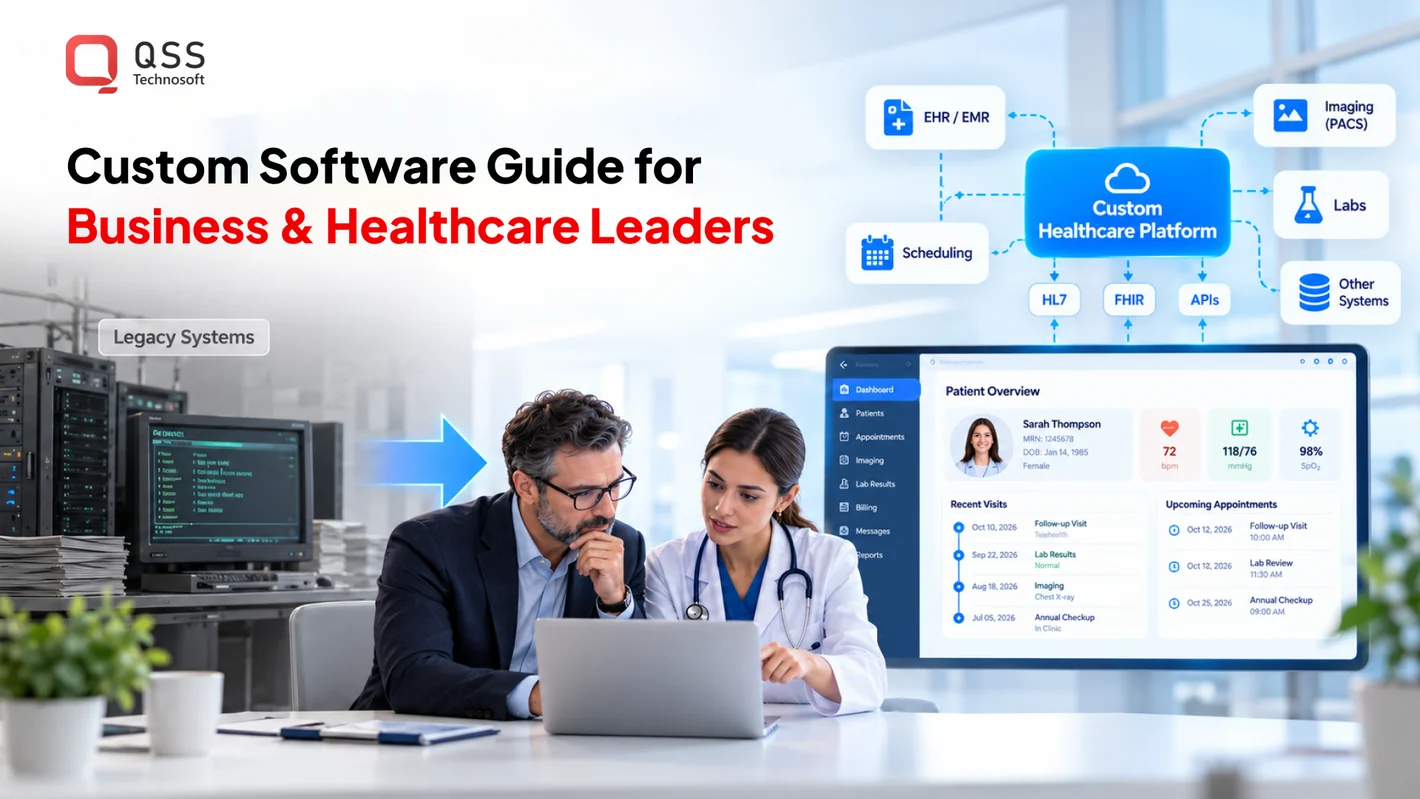
Interoperability means different systems can exchange and interpret information consistently. Healthcare teams rely on standards such as HL7, FHIR, DICOM, and CDA to structure clinical data. For example, FHIR can support the exchange of patient resources through APIs, while DICOM supports medical imaging workflows.
Standards alone don’t make systems interoperable. An integration must map fields, handle different code sets, validate incoming data, and manage errors. If a lab result arrives without the correct patient identifier or unit, the receiving EHR may store misleading information. Integration testing should cover valid records, missing fields, duplicates, and failed connections.
A service-oriented architecture can help systems communicate through defined services rather than tightly coupling every application. A care platform might request an allergy list from an EHR, then send a structured order to a pharmacy system. The design still needs clear ownership of data, access, and error handling.
Other U.S. rules can apply based on a product’s purpose and function. For software with a medical-device use, assess applicable FDA requirements; according to the U.S. Food and Drug Administration, partner evaluation should include experience with 21 CFR Part 820. Medical-device software work also calls for familiarity with IEC 62304, identified by the International Electrotechnical Commission.
Build security into each workflow rather than adding it after launch. Use encryption for data in transit and at rest, role-based access for clinical teams, and audit logs for sensitive actions. A mobile app that displays lab results, for instance, needs controlled access and a reliable way to revoke a user’s session.
The key development steps are to define clinical workflows, map data exchanges, design security controls, and then validate behavior with users and integrated systems. This sequence reveals gaps early, before a faulty interface reaches a live care environment.
- Document users, clinical tasks, and data flows.
- Map HL7, FHIR, DICOM, or CDA requirements to each exchange.
- Build access, encryption, logging, and error handling into the design.
- Test workflows, integrations, and failure cases before deployment.
Unlike a standard consumer app, healthcare software must preserve clinical meaning across systems and support traceable decisions. A successful integration connects the right data to the right workflow without obscuring its source or context.
What Types of Healthcare Software Serve Providers, Patients, Labs, and Insurers?
Healthcare software supports distinct workflows: clinical care, patient access, laboratory operations, and payer administration.
Provider, Patient, and Care Team Applications
Provider applications support documentation, scheduling, medication management, and care coordination. An EHR screen, for example, can help a clinician review allergies while documenting a visit. Patient applications can expose visit summaries, appointment details, and care instructions. Care team tools coordinate tasks between nurses, physicians, and other staff, so each role sees the information needed for its work.
Evaluate each workflow by user and action. A nurse may need a concise task queue, while a physician needs a broader clinical view. Patient engagement features work best when they connect to real care processes, such as sending a follow-up reminder after an appointment, rather than adding notifications without a clear purpose.
Telemedicine and Patient-Facing Applications
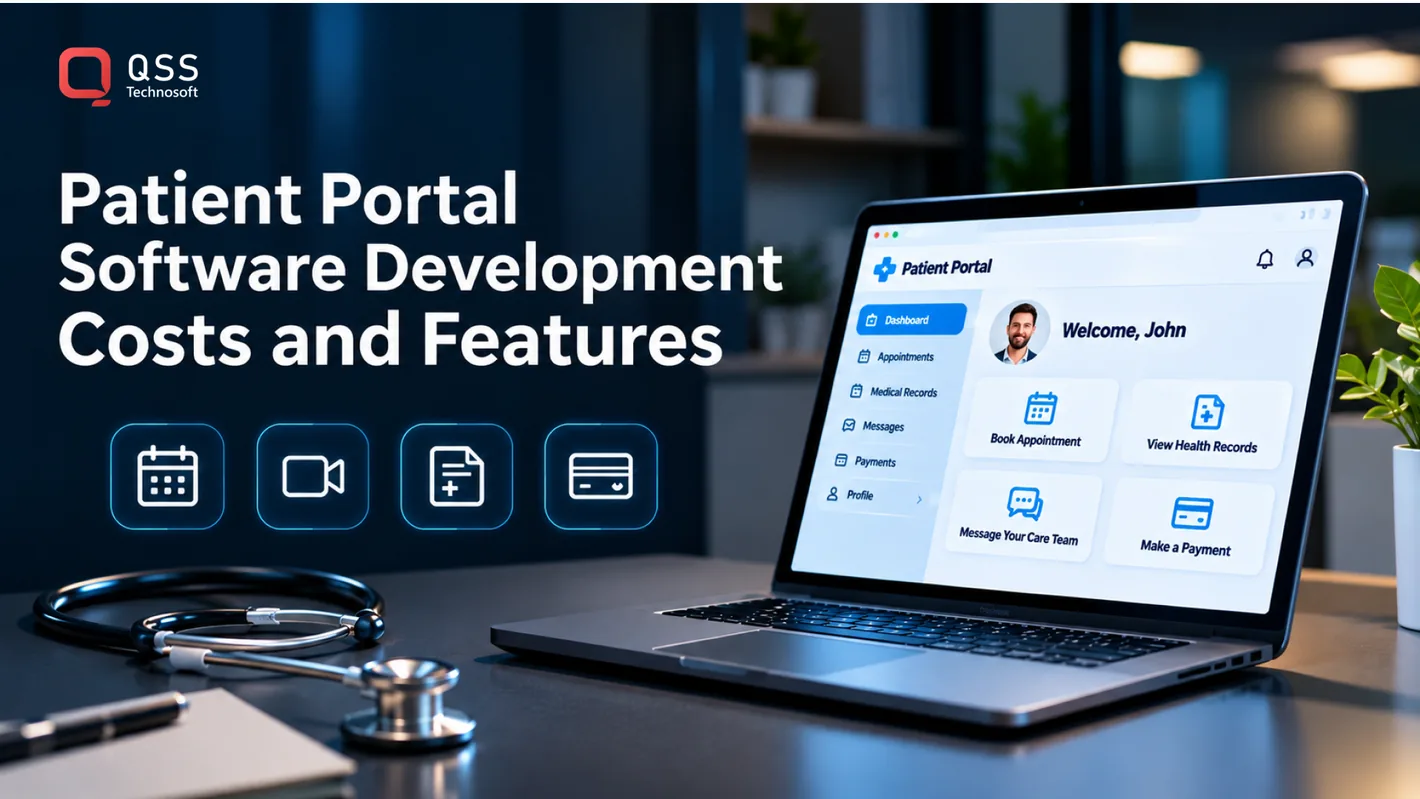
Telemedicine applications support remote consultations through video, messaging, and visit workflows. A patient-facing application may also handle appointment requests, intake forms, and post-visit instructions. Design these journeys around the care interaction: patients need clear next steps, while clinicians need relevant information during the encounter.
Mobile design must account for small screens, varying connectivity, and accessibility needs. For example, a telehealth visit should show connection status and provide a clear next step if video fails. Patient engagement also depends on understandable language and a simple way to access visit information after the appointment.
Laboratory software manages orders, specimens, results, and review workflows. A laboratory information management system can track a sample from intake through result recording, while integration with an EHR helps place results in the patient’s clinical context. Payer applications serve a different purpose: claims intake, eligibility workflows, and review queues help operations teams process coverage decisions and payment activity.
AI diagnostics and remote patient monitoring address different needs. AI tools analyze clinical inputs to support a defined task, such as highlighting an image for clinician review. Remote monitoring applications collect measurements from connected devices and present trends to care teams. Define who reviews alerts, what information appears, and how the workflow handles missing or unusual readings.
- Providers: documentation, scheduling, and clinical workflow tools.
- Patients: portals, mobile access, and telemedicine applications.
- Labs: specimen tracking, testing workflows, and result management.
- Insurers: claims, eligibility, and payer operations applications.
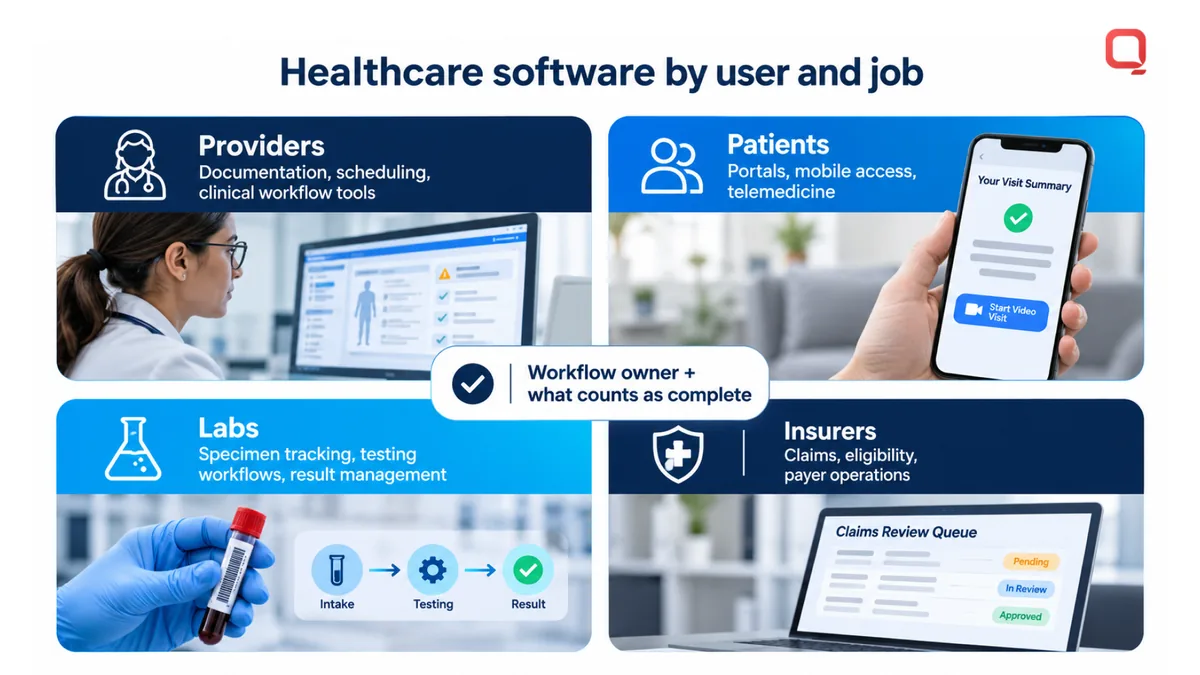
Before rollout, assign an owner to each workflow and define how completion is recorded. For example, patient engagement teams can distinguish between a delivered appointment reminder and one that has been acknowledged, giving operations staff a clearer view of follow-up.
Which Cloud, Mobile, and Software Development Platforms Apply to Healthcare?
Cloud, mobile, and development platforms shape how healthcare applications are delivered, accessed, and maintained. The right fit depends on workflows, existing systems, and needs such as remote access or tailored functions.
Cloud and Mobile Platforms
A cloud platform hosts application services and data on remotely managed infrastructure. For example, a care team can use a browser dashboard while clinicians access related functions through a mobile application. Platform decisions should address deployment, identity management, data storage, backups, monitoring, and release controls.
Mobile design adds device constraints, including screen size, connectivity changes, and operating-system updates. A clinician may need to save an incomplete note and resume it after reconnecting. Map these scenarios before selecting mobile frameworks or cloud services. A smooth demonstration won’t solve unreliable connectivity.
Custom and Platform-Based Software
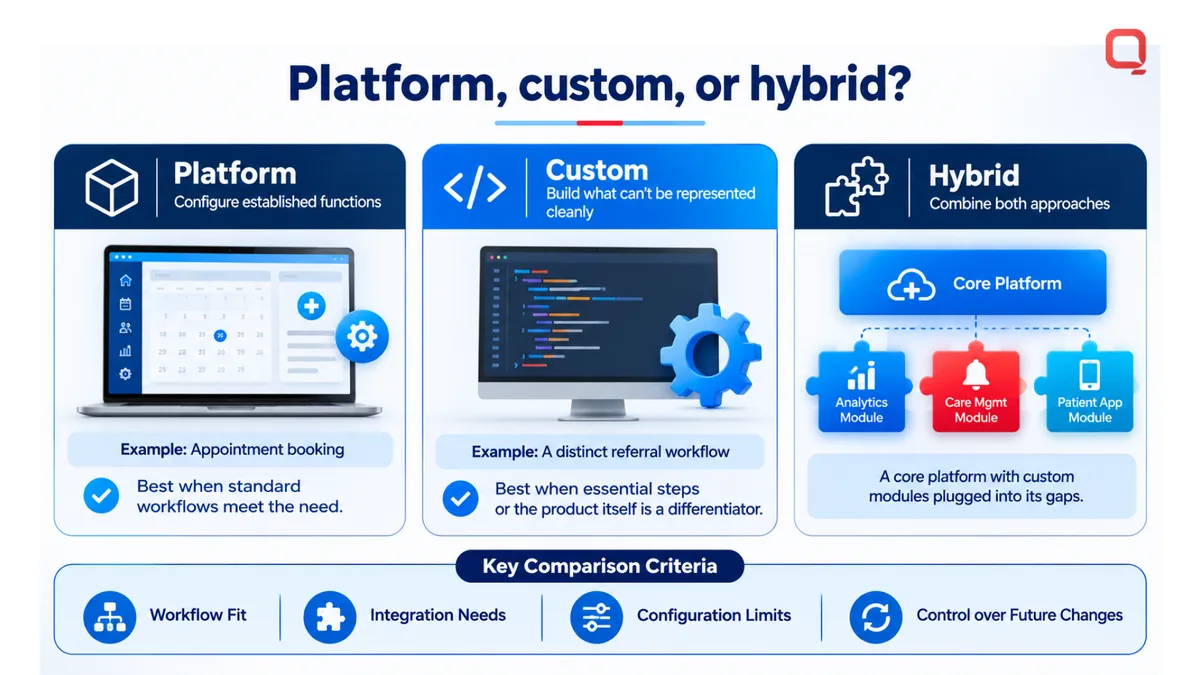
Platform-based software offers established functions that organizations configure for local processes. A scheduling platform may cover appointment booking, while a custom application can support a distinct referral workflow. Compare workflow fit, integration needs, configuration limits, and control over future changes.
Choose platform-based software when standard workflows meet the need. Choose custom healthcare software when essential steps cannot be represented cleanly, or when the product itself is a differentiator. A hybrid approach can retain a core platform while adding custom modules to address specific operational gaps.
Healthcare Platform Modernization
Healthcare platform modernization restructures legacy components without treating every old system as disposable. Start by mapping dependencies, data ownership, interfaces, and operational risks. For example, an organization can expose a legacy scheduling system through a new service layer before replacing its database.
This staged approach lets teams move one workflow at a time, validate results, and keep critical operations running during the transition. Modernization can also rebuild a desktop workflow for mobile use or split a tightly coupled application into separately deployable components. The sequence depends on system dependencies and tolerance for downtime.
Care coordination platforms connect tasks across providers, locations, and patient-facing channels. A discharge workflow might assign follow-up scheduling to staff, send instructions through a patient portal, and show completion status to a care manager. The platform should clarify task ownership and status, not simply add more screens.
Define the workflow first: who creates a task, who receives it, what counts as completion, and where exceptions go. Then select cloud, mobile, and integration components to support those steps. This keeps the platform aligned with daily operations instead of forcing clinicians to work around the software.
How Much Does Healthcare Software Development Cost, and How Long Does It Take?
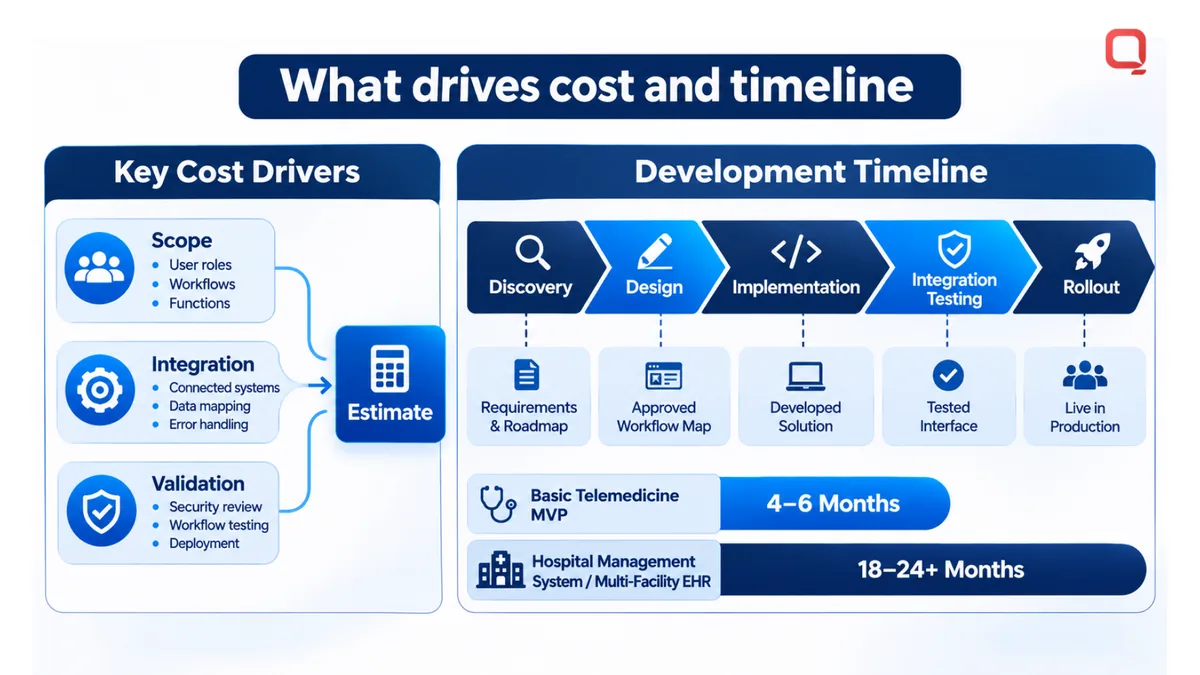
Project cost depends on scope, integrations, data migration, security work, and validation. Timelines depend on the same details, as well as stakeholder reviews and rollout requirements.
Healthcare Software Development Costs
A reliable estimate starts with defined workflows, not a feature count. A patient engagement product with appointment scheduling has a different scope from an EHR platform connecting multiple systems. Custom workflows, external interfaces, legacy data migration, and testing requirements all affect the effort.
Organizations can make estimates more useful by separating the initial release from later phases. The first release should cover essential users and workflows. Additional automation, reporting, or integrations can follow as priorities become clearer. Plan for ongoing maintenance alongside delivery, since updates and operational support continue after launch.
- Scope: user roles, workflows, and required functions.
- Integration: connected systems, data mapping, and error handling.
- Validation: security review, workflow testing, and deployment needs.
These factors explain why a single generic estimate rarely fits every healthcare organization. A defined scope makes trade-offs visible before implementation begins.
Project Timelines
A basic telemedicine MVP might take 4-6 months to launch. Comprehensive hospital management systems or multi-facility EHR implementations can take 18-24 months or longer. These timelines reflect different levels of workflow complexity, integration work, testing, and deployment coordination.
Break the schedule into discovery, design, implementation, integration testing, and rollout. Each phase should have a clear deliverable, such as an approved workflow map or a tested interface. Delayed access to source systems or late changes to clinical workflows can delay subsequent work because teams must revisit earlier decisions.
- Define the first release and its clinical or operational users.
- Identify integrations, data migration, and review dependencies.
- Test complete workflows before expanding deployment.
Automation can reduce repetitive work, but it still needs validation against real workflows. Build patient engagement features, for example, only after defining who receives each message and what action follows. A phased plan makes progress measurable while keeping delivery focused.
How Do You Choose a Healthcare Software Development Partner?
Choose a healthcare technology partner whose delivery experience fits your product’s workflows, integrations, and regulatory scope. Evaluate architecture decisions, implementation practices, and evidence from comparable systems, not presentation claims alone.
Start with intended use. A patient portal, claims platform, and Software as a Medical Device have different technical demands. Ask how the partner translates clinical and operational processes into requirements, then traces them through design, testing, and release. Healthcare software development should connect controls to the product’s actual use, not a generic checklist.
For medical device software or Software as a Medical Device, include experience with FDA regulations, including 21 CFR Part 820, in vendor evaluation, according to the U.S. Food and Drug Administration. For medical device software development, assess familiarity with IEC 62304, as identified by the International Electrotechnical Commission. Ask how these considerations shape development records, risk controls, and release processes.
Interoperability work needs equal scrutiny. Ask for an example involving HL7 or FHIR, such as mapping an admission message into an EHR workflow. A capable team can explain its handling of data validation, failed messages, duplicate records, and interface monitoring. These details show whether its architecture can withstand production conditions. They also reveal how development plans account for system behavior beyond the user interface.
Review the proposed implementation plan. It should identify:
- Scope and users: clinical or operational workflows included in the first release.
- Architecture: system boundaries, interfaces, and data ownership.
- Testing: workflow, integration, security, and regression coverage.
- Operations: deployment, analytics, incident handling, and maintenance.
Request a walkthrough of a relevant digital product or representative workflow. For example, trace a referral from intake through assignment, status updates, and closure. This can reveal gaps in role permissions, exception handling, and reporting before implementation. It also shows how the proposed team turns requirements into working processes.
Scrutinize compliance language. HIPAA establishes standards to protect patients’ medical information, but avoid relying on an unsupported claim that a vendor is “HIPAA certified.” Ask how privacy and security controls are designed, documented, tested, and maintained for the product.
The right fit connects clinical needs, architecture, and delivery discipline in one plan. Use that plan to align technical decisions with operational priorities before implementation begins.
QSS Technosoft Health Information Exchange (HIE) Services
QSS Technosoft is a USA-based company serving healthcare organizations that need Health Information Exchange (HIE) Services, Revenue Cycle Management (RCM) Software, Generative AI Solutions, or Healthcare IT Engineering. These offerings suit teams addressing disconnected data, operational workflows, or new healthcare product requirements.
Health Information Exchange services support the exchange of health information across systems and organizations. QSS Technosoft’s healthcare interoperability work includes HL7/FHIR expertise, which can help address data exchange between healthcare applications. This is relevant when an organization needs connected workflows across clinical systems, rather than another isolated application.
Revenue Cycle Management Software supports healthcare financial and administrative workflows. It can be relevant when teams are shaping software around processes such as claims or revenue operations. Start by mapping users, handoffs, and data dependencies, then align the system scope with those operational needs.
Generative AI Solutions and Healthcare IT Engineering are relevant when healthcare teams are planning AI capabilities or building and modernizing digital systems. AI belongs in a defined workflow, such as assisting with information processing, with clear human review and system boundaries. Engineering work also needs to account for existing applications and integration requirements.
- HIE Services: for data exchange and interoperability needs.
- RCM Software: for revenue-cycle workflows and operational platforms.
- Generative AI Solutions: for defined healthcare use cases requiring AI capabilities.
- Healthcare IT Engineering: for custom systems, integrations, and modernization work.
A practical starting point is to describe the workflow that needs to change, the users involved, and the systems it touches. QSS Technosoft can align the relevant offering with that need, define the technical scope, and plan the work around integration and operational requirements. This keeps the initial discussion focused on the real problem, not a generic feature list.
For an HIE initiative, clarify which data needs to move and where it must be used. For RCM Software, outline the operational handoffs. For Generative AI, identify the task and review process. These details give engineering teams a concrete basis for planning.
Contact QSS Technosoft to discuss your healthcare software requirements.
Turn the Next Decision Into a Deliverable Plan
Turn a broad product idea into a delivery brief your engineering and clinical teams can act on. Define the first user, the workflow that needs to change, and the systems the solution must work with. This gives planning discussions a concrete starting point, even when priorities or technical constraints shift.
Healthcare software development works best when product decisions remain tied to real operational needs. QSS Technosoft is a USA-based company that supports this work through Healthcare IT Engineering, Legacy System Modernization, and Generative AI Solutions. These offerings can help teams building new digital products, addressing legacy constraints, or assessing where AI fits into a healthcare workflow.
Bring the intended use, key users, and known integration needs to the first discussion. From there, the team can focus on scope, architecture, and a practical path to implementation. Keep the first release narrow enough to validate, while grounding it in the system it must eventually support.
Contact QSS Technosoft to discuss your healthcare software project and define a clear next step for your team.
Get a Realistic Estimate for Your Healthcare Software
Bring your first-release workflows, the systems you need to connect, and your rollout constraints. QSS Technosoft scopes custom healthcare software development and healthcare app development around real clinical and operational workflows: healthcare integrations with EHRs, HL7, and FHIR, privacy and security controls designed for HIPAA compliance, phased delivery with a clear deliverable at each stage, and support after launch.
Discuss your healthcare software project →